EV Chargers / EU EV Charging Series
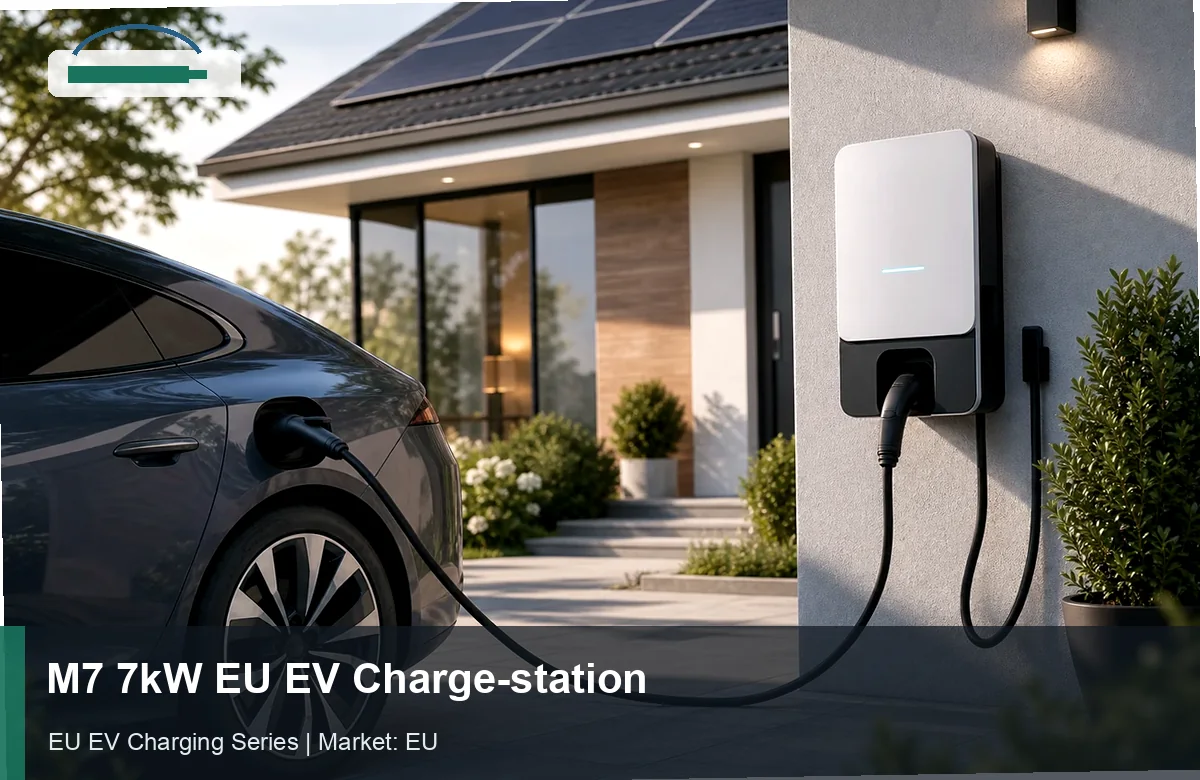
M7 7kW EU EV Charge-station
Wall-mounted and portable EV chargers for EU residential and light commercial channels.
MarketEUTypeWall-mounted or portable depending modelPower7kW
 Spire ESSOEM clean-energy sourcing
EV charger power ladder
A distributor guide to choosing 7kW, 11kW, and 22kW EU EV chargers by channel role, grid phase, installation setting, certification, and OEM packaging.
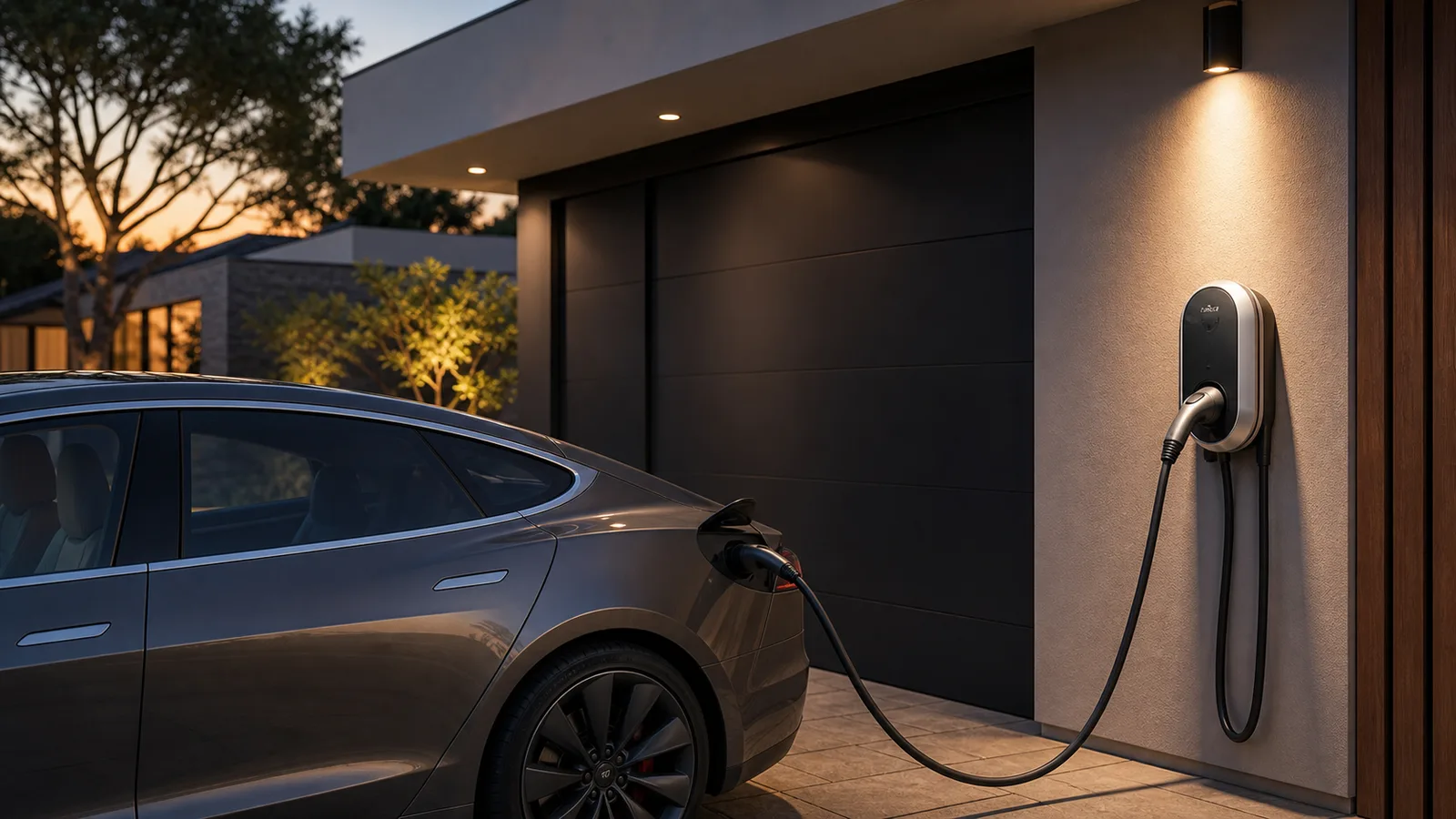
EV charger distributors often ask for 7kW, 11kW, and 22kW units as if those numbers are a simple price ladder. They are really a channel ladder. 7kW fits entry residential charging and single-phase markets. 11kW is a strong EU three-phase home charger. 22kW becomes the flagship wallbox for distributors and a better fit for light commercial positioning when the site can support it. A portable 16A charger fills a different role: travel, backup, and accessory sales.
Spire ESS EV charging products are built around EU wallbox and portable formats. This comparison explains how to choose the first assortment, what to confirm before an OEM or distribution quote, and how to connect chargers to a broader solar-storage catalog instead of treating them as standalone electrical accessories.
What to decide before asking for price.
The power printed on a wallbox is not the charging power every site or vehicle will use. A useful distributor conversation starts with the local supply phase, available electrical capacity, the vehicle's AC charging limit, expected dwell time, and the installation setting. A 22kW unit can be a valid premium SKU while still being the wrong recommendation for a single-phase home, a constrained site, or a vehicle that accepts less AC power. Record those limits before a customer-facing claim is made, and ask sales or the local installer to confirm the final fit.
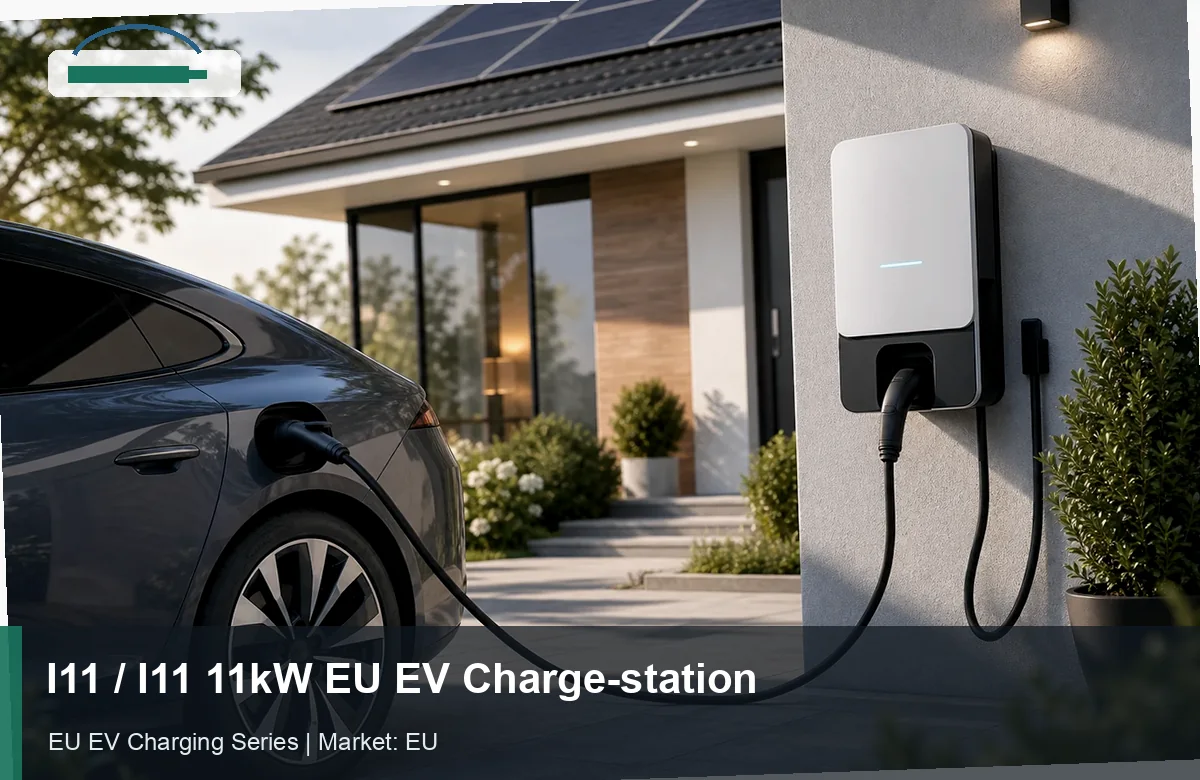
A 7kW wallbox is the easiest product to explain for many home buyers. It suits overnight charging, driveway use, and markets where single-phase residential supply dominates. For a distributor, 7kW is often the entry SKU that creates volume and keeps price accessible. The RFQ should still clarify cable length, connector type, enclosure rating, app feature, and packaging, because home installers and retail buyers judge the whole experience, not only the power number. If the buyer also sells residential solar or storage, the 7kW charger can sit beside a home battery package as a simple energy upgrade.
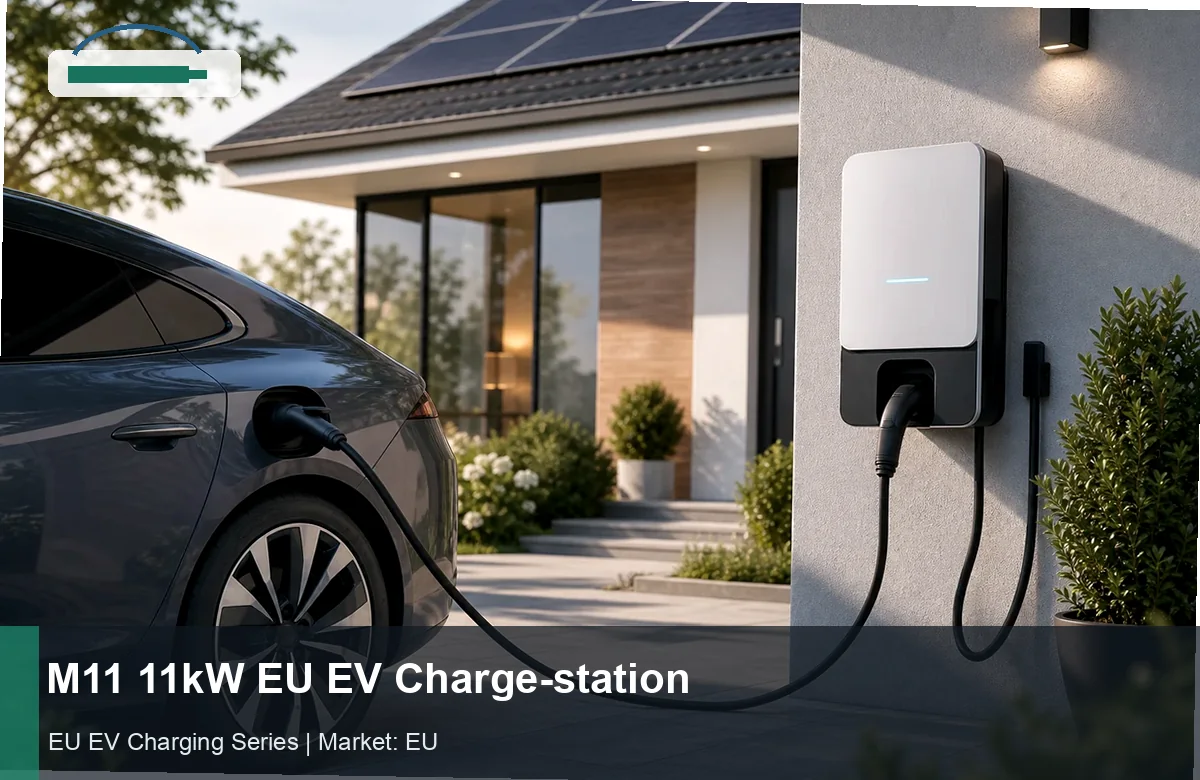
An 11kW wallbox is a practical middle SKU for EU residential and light commercial channels with three-phase supply. It is faster than 7kW without pushing the site requirements as hard as 22kW. Installers like it because it can be positioned as a stronger home charging upgrade, and distributors like it because it creates a step-up offer without making the product line too narrow. Confirm the destination market's three-phase norms, connector format, cable or socket preference, app requirement, and certificate scope before ordering.
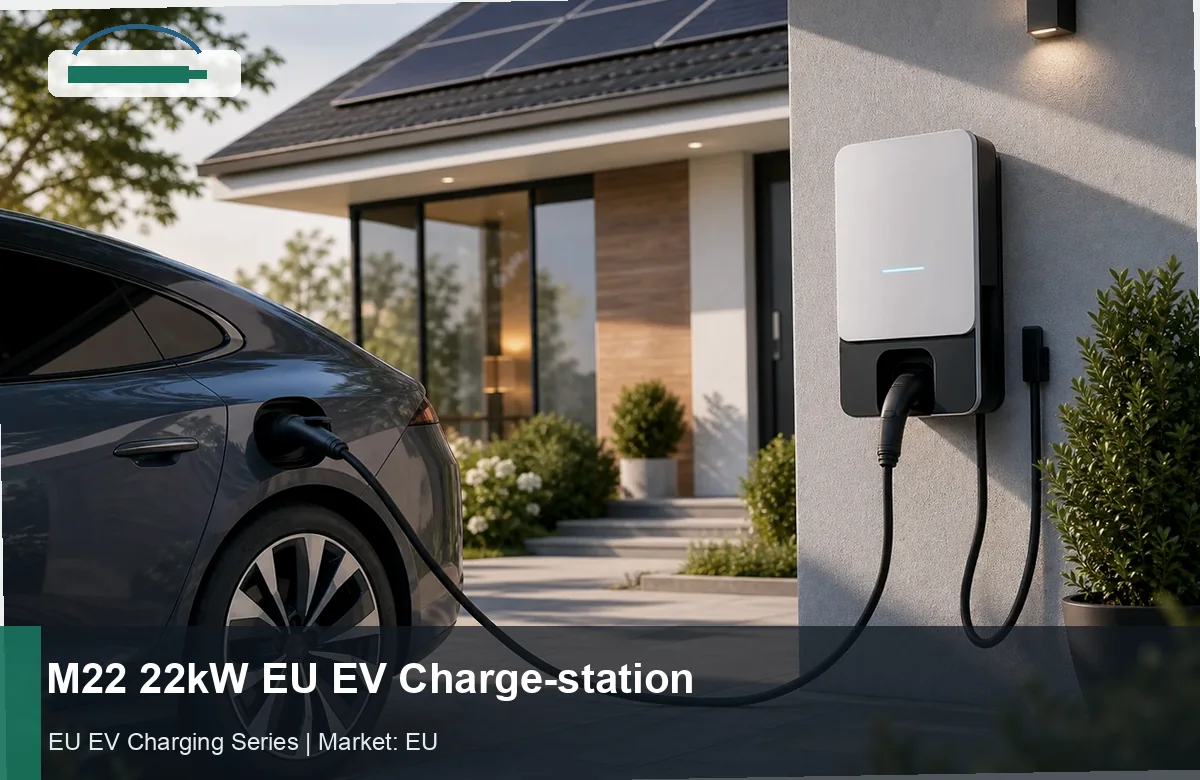
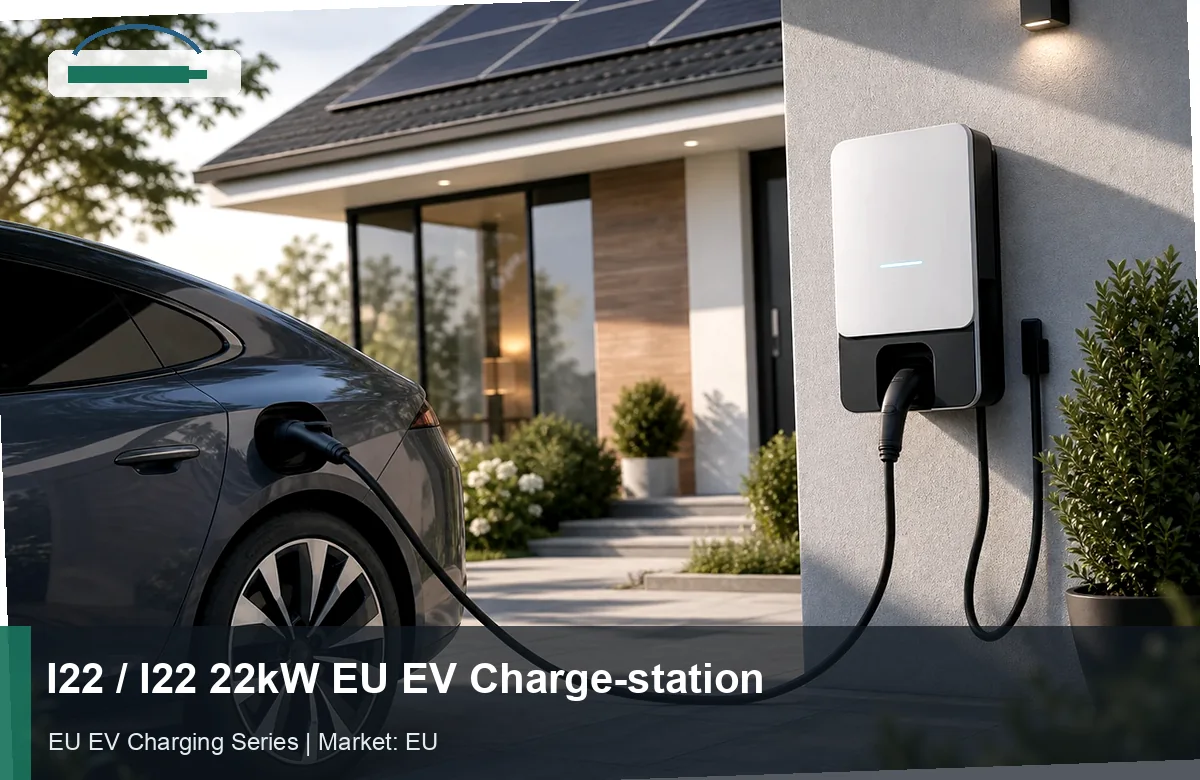
A 22kW charger is attractive because buyers often associate it with higher performance. In practice it only makes sense when the installation has enough electrical capacity and the vehicle or use case can take advantage of it. For distributors, 22kW is still important because it anchors the premium tier and helps with commercial or semi-public positioning. The risk is overselling it into homes where the site cannot support the load. A serious quote should include site type, expected installation environment, cable and connector details, enclosure requirement, and target documentation.
The comparison should end with a decision, not a generic request for price. Ask the buyer to provide the destination country, customer type, supply phase, available site capacity, vehicle mix if known, preferred connector or cable, installation location, documentation expectation, target quantity, and whether the charger is sold alone or alongside solar and storage. Those inputs let sales return a model shortlist with the relevant limitations instead of implying that one power band fits every installation.
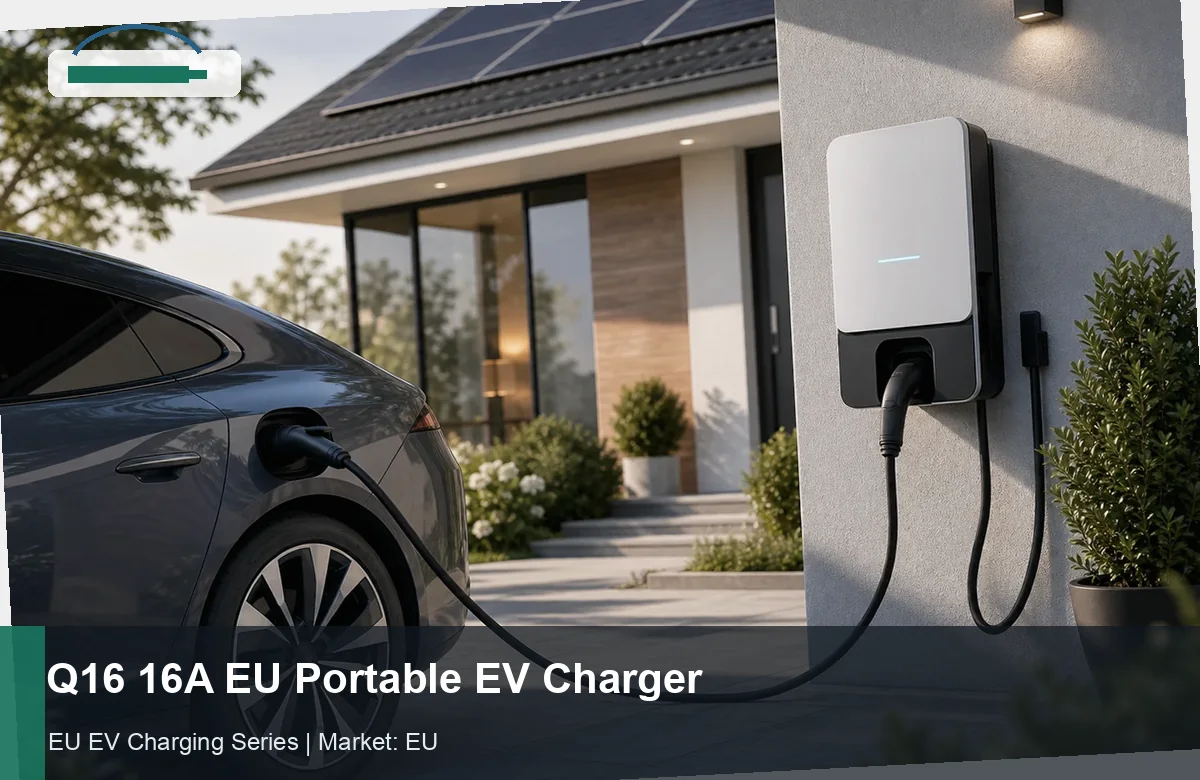
Portable EV chargers are not a replacement for wallbox distribution. They serve a different buyer: travel, emergency, second-home, dealership accessory, and low-commitment retail. The quote conversation should focus on plug standard, current setting, cable protection, instruction language, and packaging. For marketplace sellers, the portable SKU can test demand before committing to wallbox inventory. For solar-storage distributors, it is a useful add-on that keeps the EV category visible even when the customer is not ready for wallbox installation.
EV charger OEM work is more sensitive than simple logo placement because the buyer must preserve certification scope and installation clarity. Keep the electrical product standard unless sales confirms a change. Start with logo, manual language, carton, label, SKU code, and accessory kit. If the buyer needs app branding, cable length changes, or color changes, treat them as separate feasibility items. The RFQ should state target country, volume tier, packaging format, warranty expectation, and whether the charger will be sold alone or bundled with solar and storage.
A first EU assortment can be simple: 7kW for entry home use, 11kW for balanced three-phase home charging, 22kW as the premium wallbox, and a 16A portable charger as the accessory SKU. The mix depends on the buyer's country and channel. Installer-focused buyers may carry more 11kW and 22kW. Marketplace sellers may test portable and 7kW first. Solar distributors should include at least one wallbox that pairs naturally with home battery and PV packages.
| SKU role | Power band | Buyer fit | RFQ detail |
|---|---|---|---|
| Entry wallbox | 7kW | Single-phase home charging and retail entry | Cable, connector, app, packaging |
| Balanced EU home | 11kW | Three-phase residential and installer channel | Grid phase, connector, certificate scope |
| Premium wallbox | 22kW | Distributor flagship and light commercial positioning | Electrical capacity, enclosure, documentation |
| Accessory SKU | 16A portable | Travel, backup, dealership, marketplace testing | Plug standard, current setting, manual language |
Power band does not guarantee site fit. Always confirm local electrical capacity, installation rules, and certificate scope with sales and the installer's local authority.
| Option | Best fit | What to confirm |
|---|---|---|
| 7kW | Entry home wallbox, single-phase residential channel, solar-plus-home bundle | Confirm single-phase supply, vehicle AC limit, cable type, plug or socket, enclosure, carton, and local rules. |
| 11kW | EU three-phase home charging and stronger installer offer | Confirm three-phase grid, vehicle AC limit, connector, app feature, certificate scope, cable length, and packaging. |
| 22kW | Distributor flagship wallbox, light commercial and premium residential positioning | Confirm site electrical capacity, vehicle AC limit, installation environment, cable, enclosure, documentation, and target market. |
| 16A portable | Travel, emergency, and low-commitment retail add-on | Confirm plug standard, current setting, cable protection, instruction language, and packaging. |
Products
EV Chargers / EU EV Charging Series
Wall-mounted and portable EV chargers for EU residential and light commercial channels.
EV Chargers / EU EV Charging Series
Wall-mounted and portable EV chargers for EU residential and light commercial channels.
EV Chargers / EU EV Charging Series
Wall-mounted and portable EV chargers for EU residential and light commercial channels.
EV Chargers / EU EV Charging Series
Wall-mounted and portable EV chargers for EU residential and light commercial channels.
EV Chargers / EU EV Charging Series
Wall-mounted and portable EV chargers for EU residential and light commercial channels.
EV Chargers / EU EV Charging Series
Wall-mounted and portable EV chargers for EU residential and light commercial channels.
For EU channels, a balanced first assortment is 7kW, 11kW, 22kW, and one 16A portable charger. The exact mix depends on whether the channel is installer, marketplace, dealership, solar distributor, or light commercial.
No. 22kW is the premium tier but requires sufficient site electrical capacity and may not deliver extra value for every home. 11kW is often the balanced three-phase residential option.
OEM scope is confirmed by model and quantity. Typical work includes logo, carton, manual language, SKU label, and accessory packaging. Product or app changes require sales feasibility review.
Include power mix, destination country, grid phase, connector or cable preference, enclosure requirement, app feature, certification expectation, manual language, packaging, quantity, and delivery window.
It works as a travel, emergency, marketplace, or dealership accessory SKU. It should not replace wallbox products when the buyer needs a fixed home or commercial charging solution.
Yes. Solar and home storage distributors can use EV chargers as a cross-sell product, especially when selling home energy packages. The bundle conversation should include charger power, PV system, storage capacity, and target installation type.
AI product assistant