Start from the business problem
Peak shaving is valuable when the site pays a meaningful charge for short periods of high demand. Storage charges during lower-load or solar-rich periods and discharges when demand would otherwise exceed the target threshold. Transformer capacity relief is related but different: the buyer may not be trying to lower a bill, but to avoid an expensive utility upgrade when adding machinery, EV charging, refrigeration, or new production lines. PV self-consumption is another case: the site may generate solar energy when operations are low and need to store it for evening use. Backup power adds yet another requirement because the system must reserve energy and support critical loads during an outage.
- Peak shaving: reduce short demand spikes and demand-charge exposure.
- Transformer relief: delay or reduce the need for an electrical infrastructure upgrade.
- PV self-consumption: store midday solar for later site loads.
- Backup: reserve energy for defined critical loads and outage duration.
When peak shaving is not the first answer
A commercial battery should not be proposed simply because a site is large. If the buyer cannot describe a recurring peak, a demand-charge exposure, a transformer constraint, a solar self-use objective, or a defined backup requirement, the first output should be a data-collection step rather than a cabinet recommendation. Likewise, a site without a viable equipment location, safe access route, electrical information, or a path to local approvals needs feasibility work before pricing. This boundary protects buyers from treating an early estimate as an installation-ready design.
- No recurring peak or tariff evidence: collect interval data and the commercial objective before sizing.
- No defined critical loads or backup hours: separate resilience requirements from bill-reduction goals.
- No feasible site, access, grid, or approval information: confirm those constraints before discussing a final cabinet arrangement.
Load profile is the first real sizing input
A commercial ESS quote without a load profile is guesswork. At minimum, the buyer should provide a 24-hour profile for a normal operating day, peak power in kW, minimum overnight load, typical working hours, and whether peaks are predictable or random. For better sizing, provide 15-minute interval data for several weeks. The vendor then checks how much power must be discharged to cap peaks and how much usable energy is needed to sustain that discharge. A site with a 20-minute demand spike needs a different battery than a site with a four-hour evening shift.
Separate power size from energy size
Commercial buyers often ask for a single number such as 100kWh or 500kWh. The useful design has two numbers: kW and kWh. kW is how fast the system can charge or discharge; kWh is how long it can support that output. A peak-shaving project with sharp short spikes may need high kW and moderate kWh. A backup project may need more kWh relative to kW. A PV self-consumption project needs a battery that can absorb excess solar and discharge during the evening load window. This distinction belongs in the first quote conversation because it drives inverter, battery, thermal, and EMS choices.
Site constraints decide the feasible cabinet arrangement
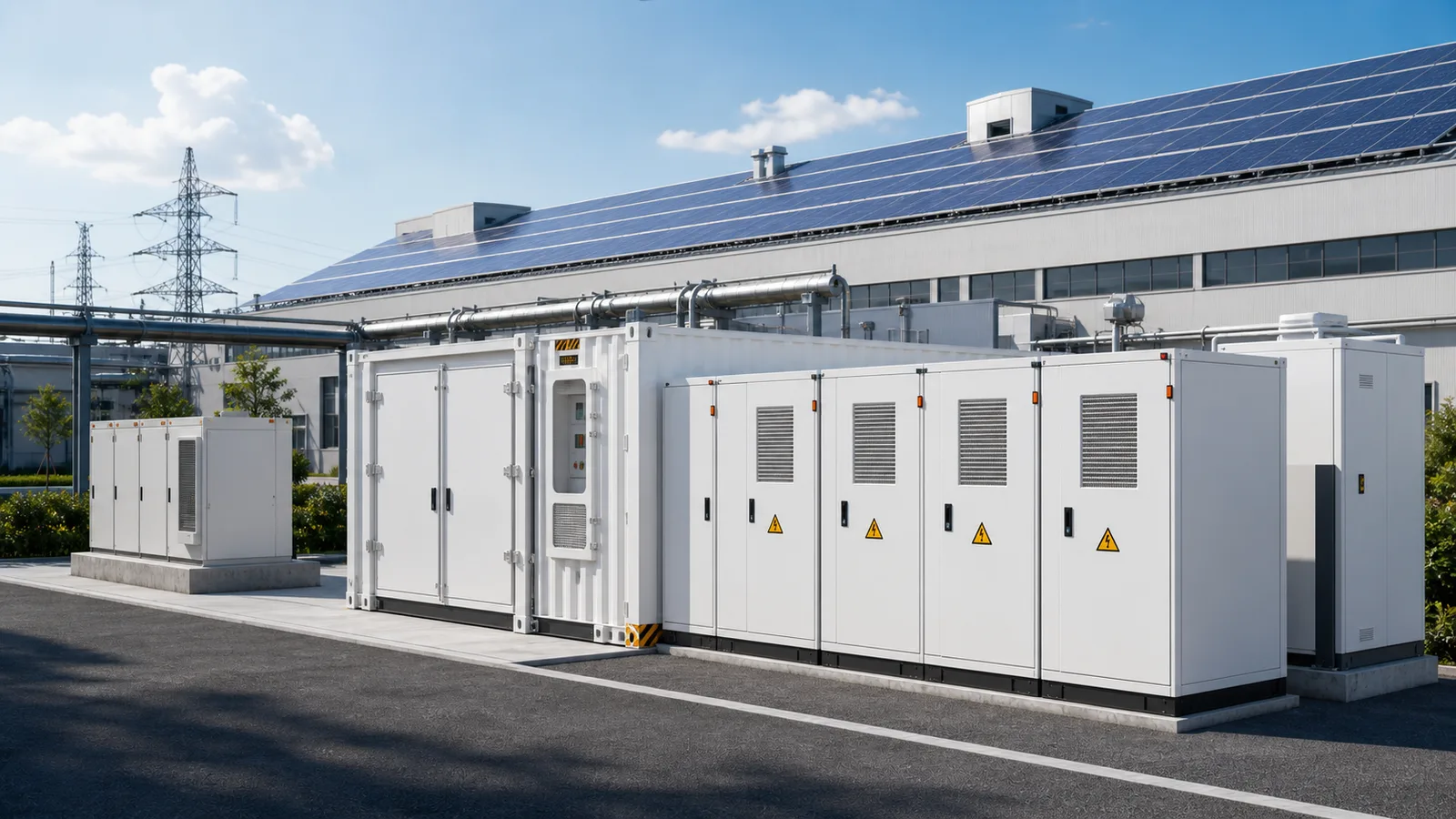
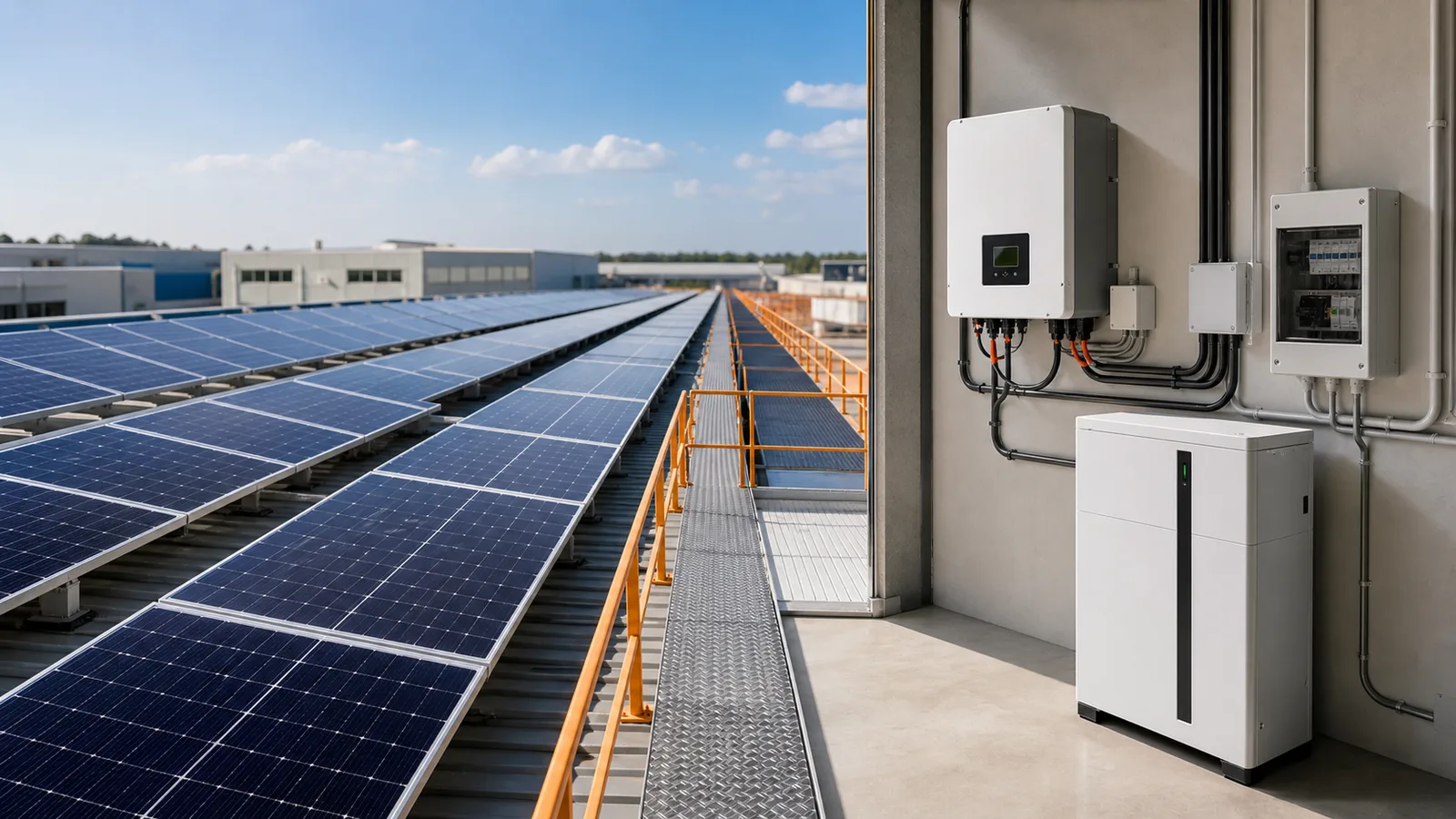
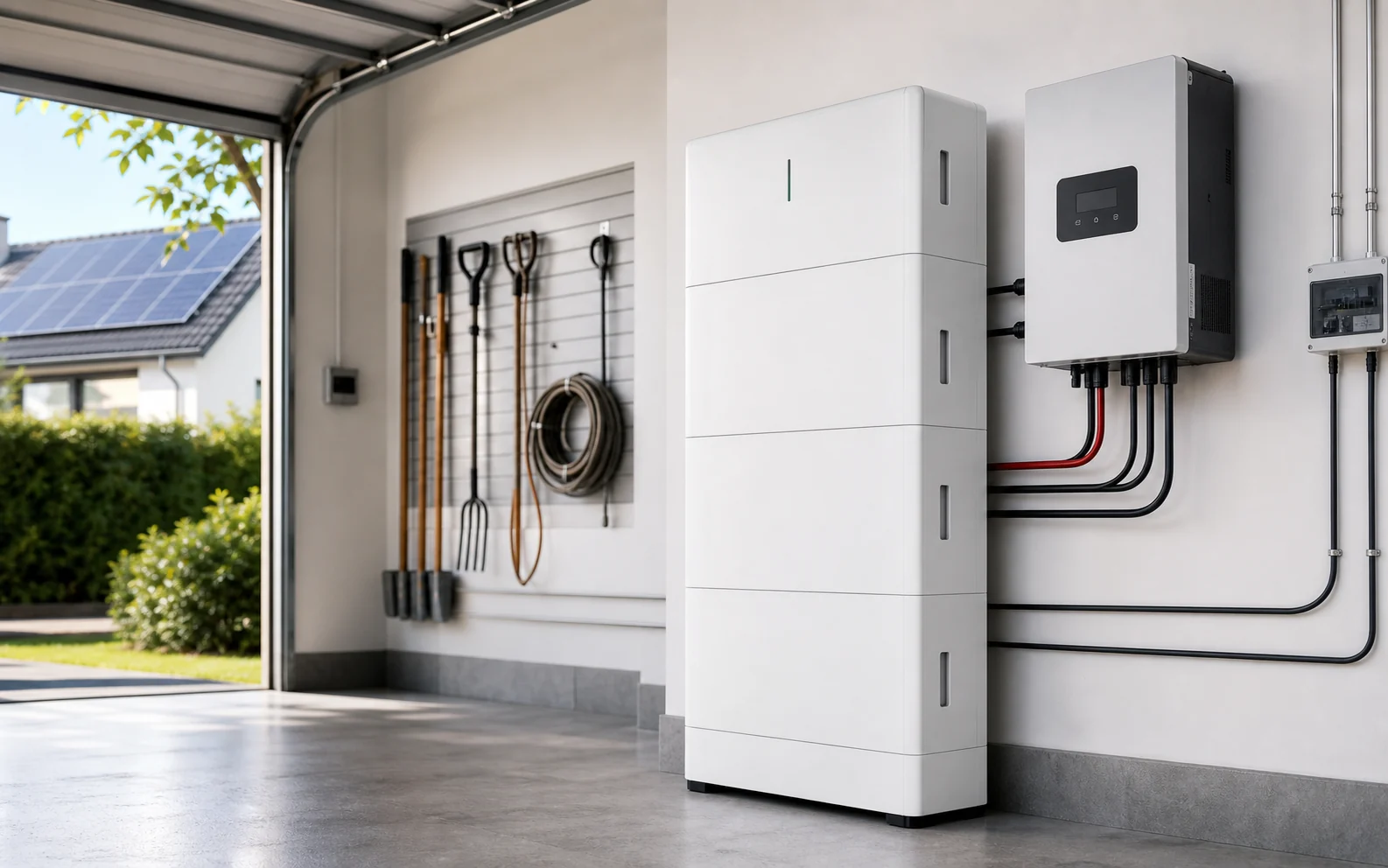
Commercial ESS is installed in the real world, so space, ventilation, access, fire rules, and cable distance matter. The buyer should provide indoor or outdoor installation preference, available footprint, distance to switchgear or PV inverter, ambient temperature range, grid voltage, and any fire or utility requirements already known. If the buyer cannot provide drawings, even photos and rough dimensions help. A system that looks correct by capacity can fail as a project if there is no access for delivery, no safe cable route, or no clearance for operation and maintenance.
- Installation: indoor, outdoor, container, cabinet, or dedicated equipment area.
- Electrical: site voltage, phase, transformer capacity, grid export or no-export rule.
- Physical: footprint, access path, cable route, ventilation, and service clearance.
- Compliance: local fire, grid, and inspection requirements to confirm before order.
EMS logic is part of the product
For commercial storage, the energy management system is not an optional dashboard. It defines the economic behavior of the system. A peak-shaving EMS needs a demand threshold and a control strategy. A PV self-consumption EMS needs to prioritize solar charging and prevent unwanted export if the market requires it. A backup EMS needs reserve settings so the system does not drain itself before an outage. Ask early whether the buyer needs local monitoring, remote monitoring, demand limit control, time-of-use scheduling, PV coordination, generator coordination, or EV charger coordination.
How Spire ESS public products connect to the project
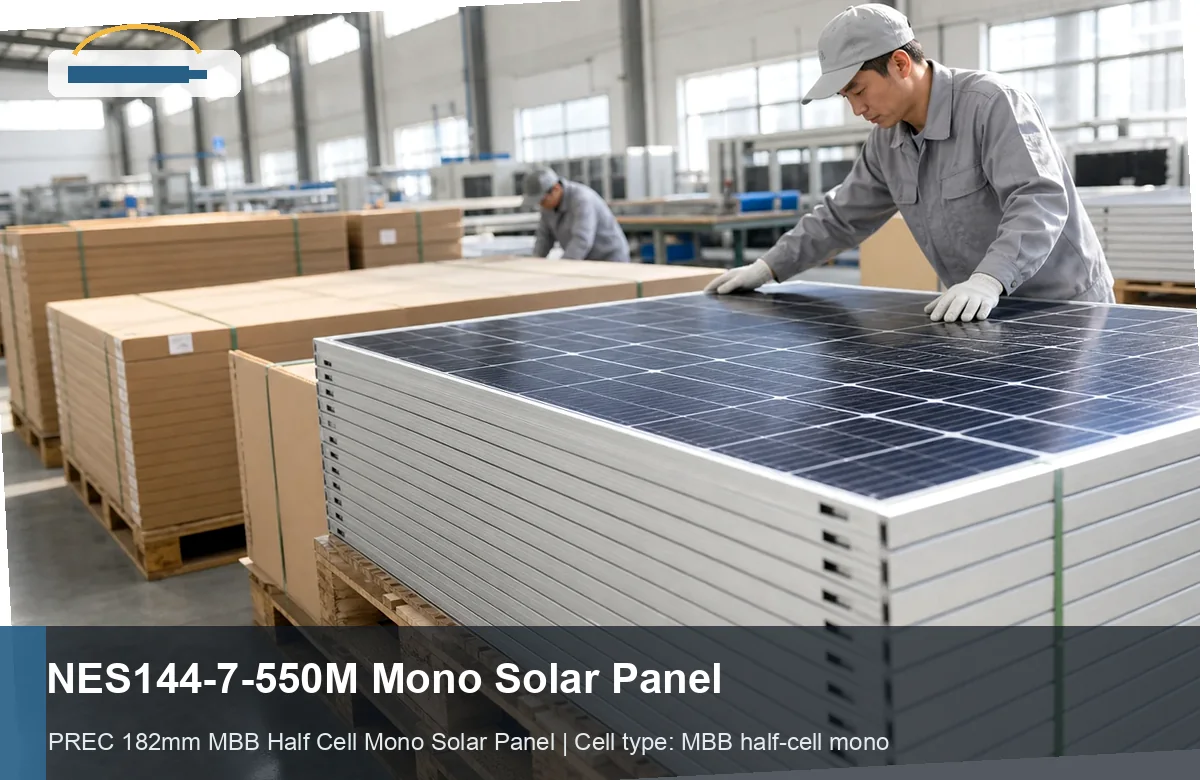
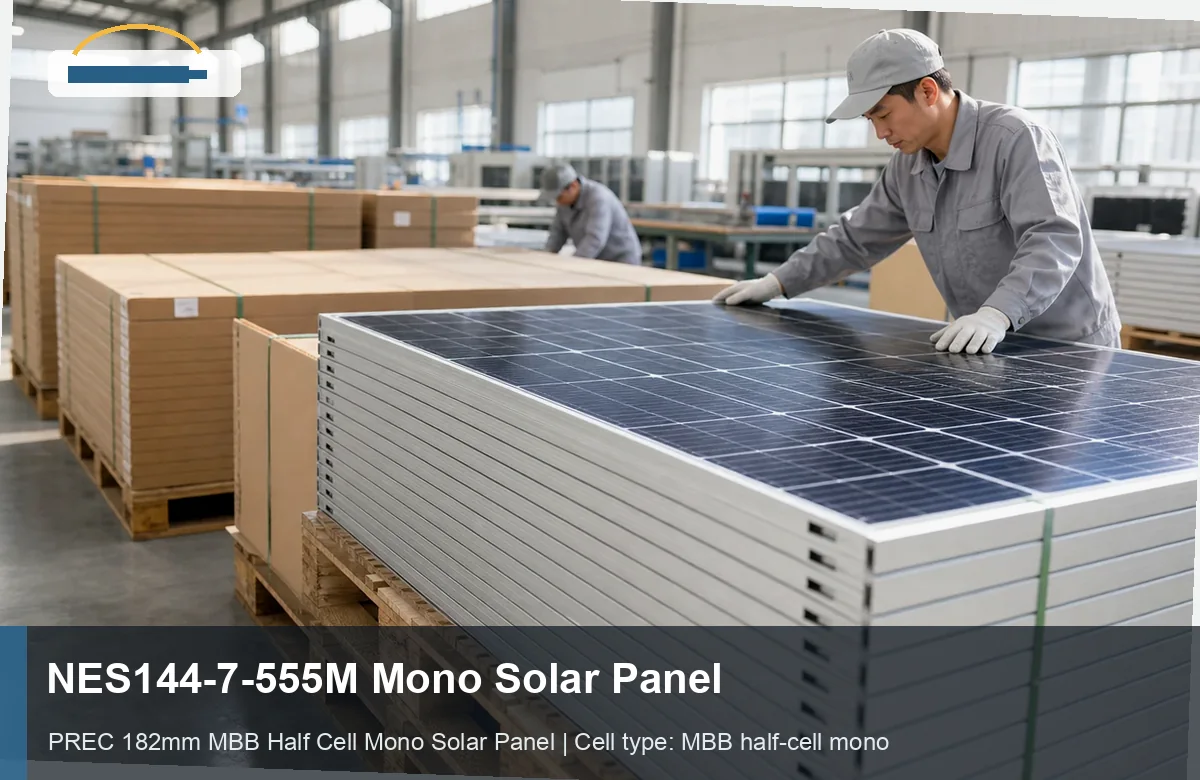
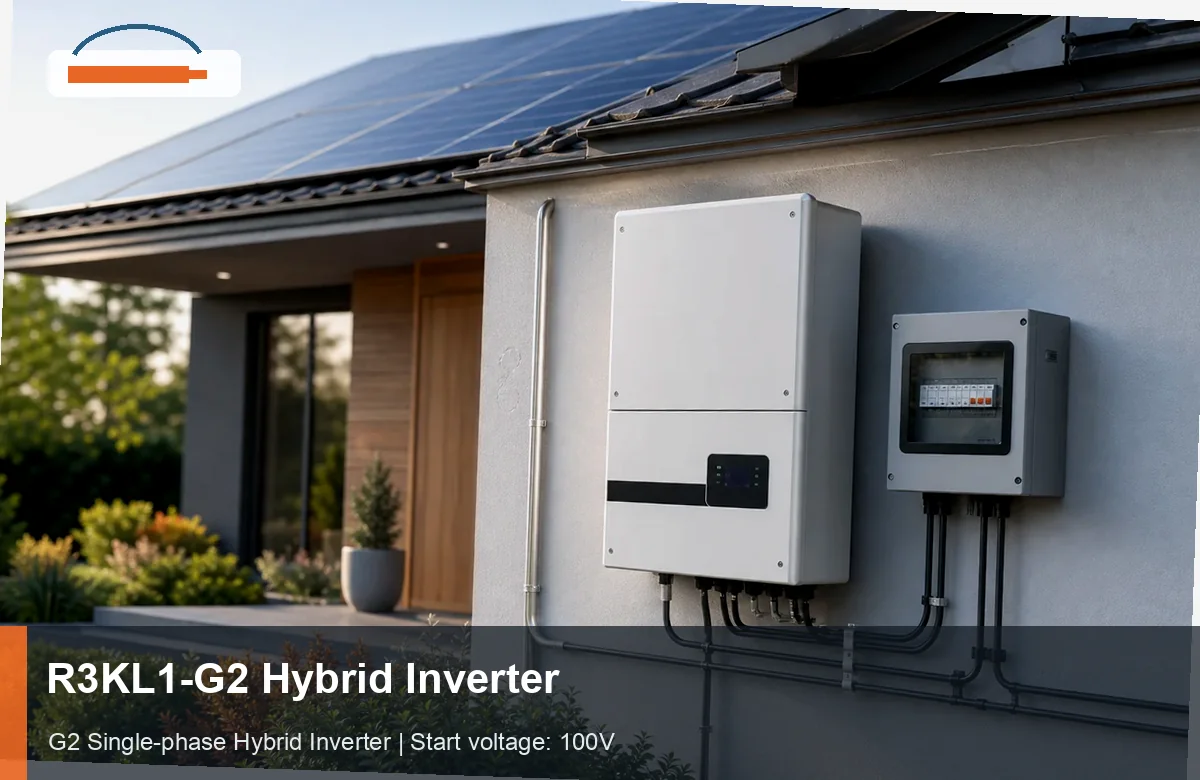
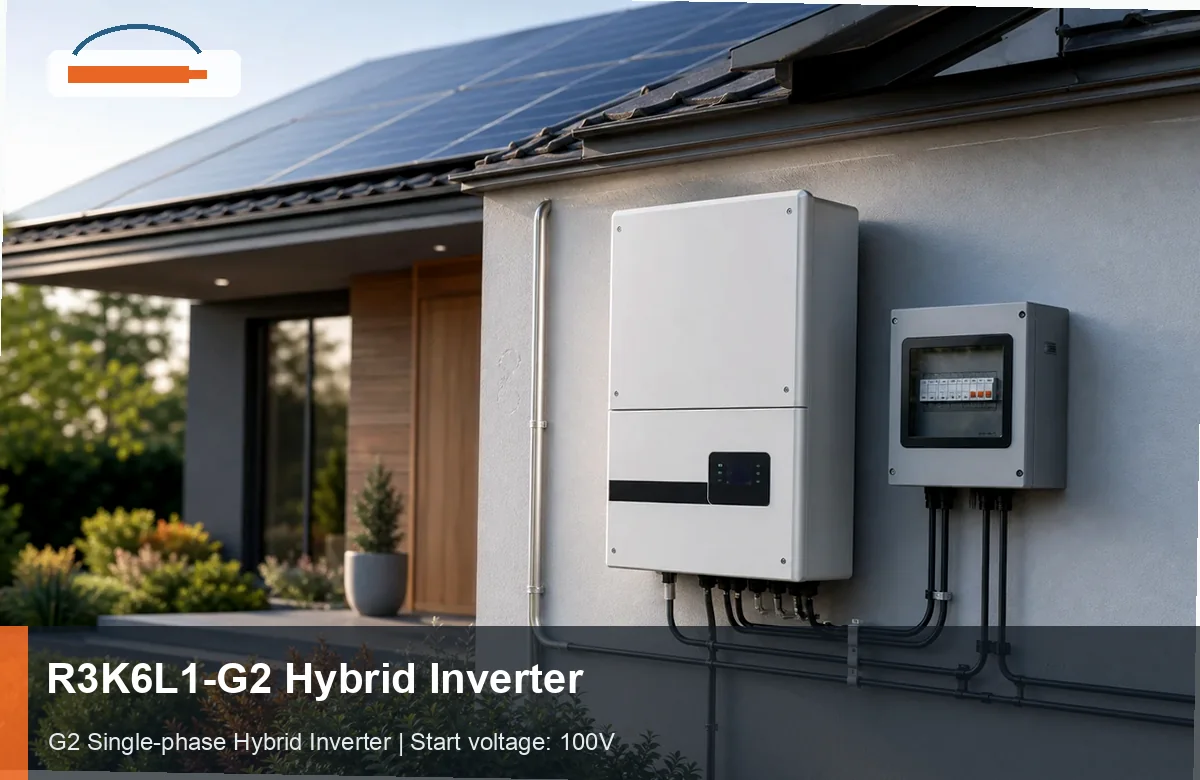
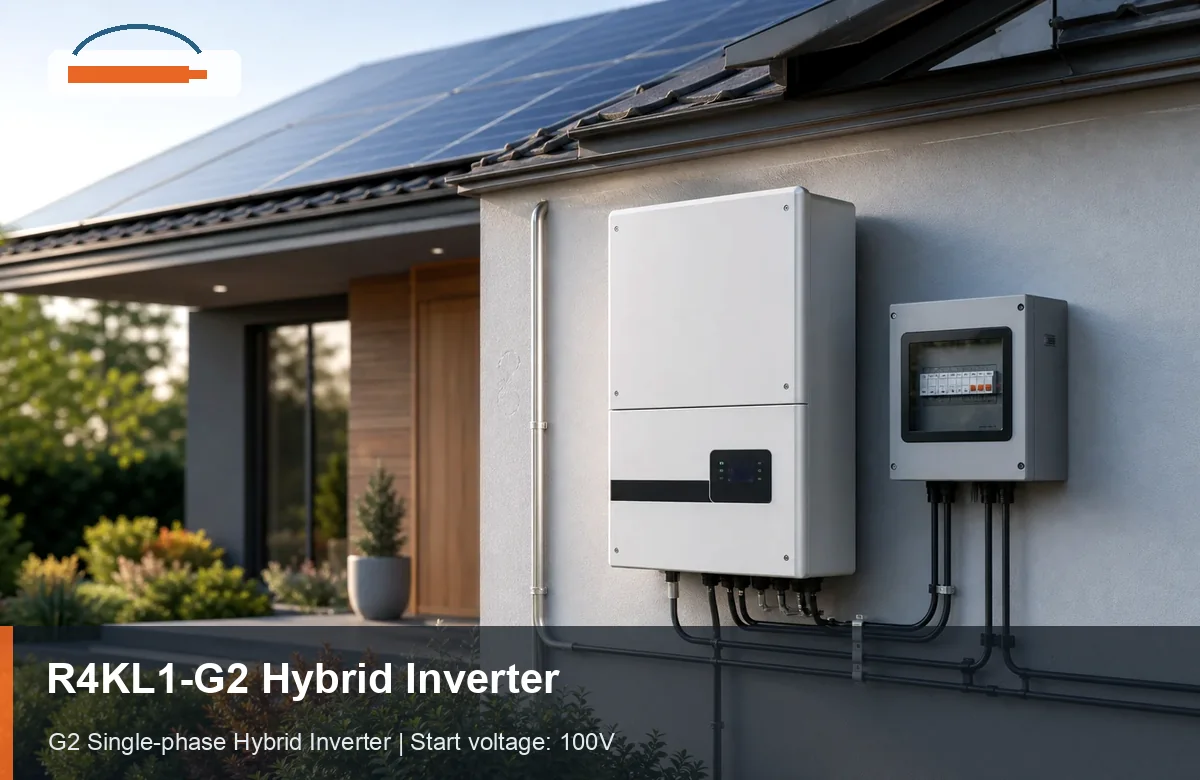
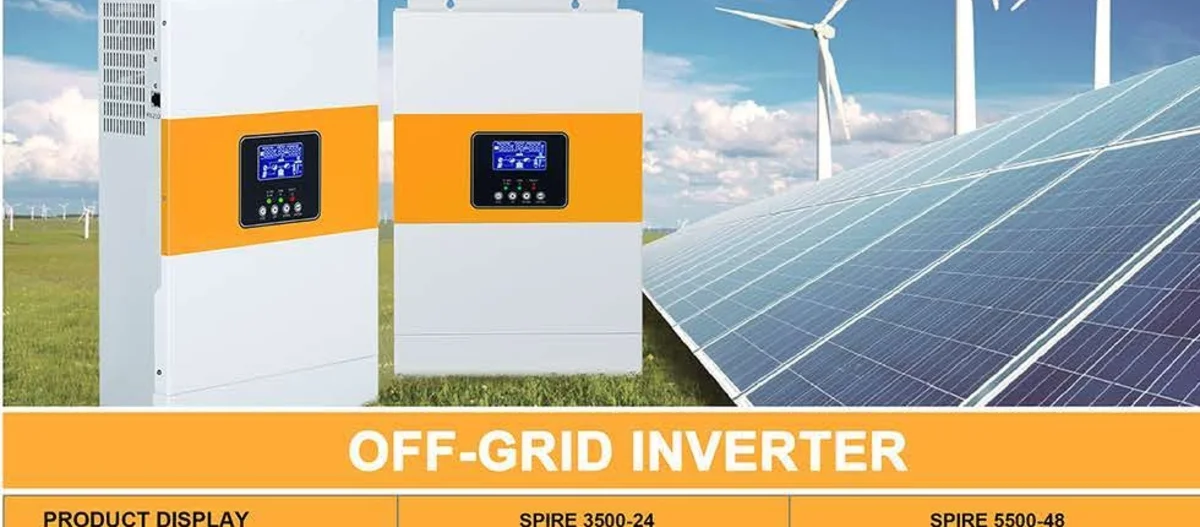
The public product catalog gives buyers concrete component paths: solar panels for PV input, hybrid and three-phase inverters for power conversion conversations, LiFePO4 batteries and high-voltage battery products for storage, and EV chargers when the commercial site is expanding charging load. The final C&I ESS configuration still needs sales review because cabinet capacity, battery string design, EMS, enclosure, and delivery plan depend on project inputs. Use product links to shortlist the technology family, then send the project data for a tailored quote.
What a commercial ESS RFQ should include
A quote-ready request includes project location, buyer role, objective, load profile, peak demand, tariff or demand-charge structure if available, PV size, site voltage, desired backup duration, available space, indoor or outdoor preference, grid export rule, required certifications, delivery window, and whether installation or commissioning support is expected. If the project includes EV charging, include charger power and expected charging schedule. If the project is early-stage, say so; sales can still provide a qualification path, but firm pricing requires the technical inputs.