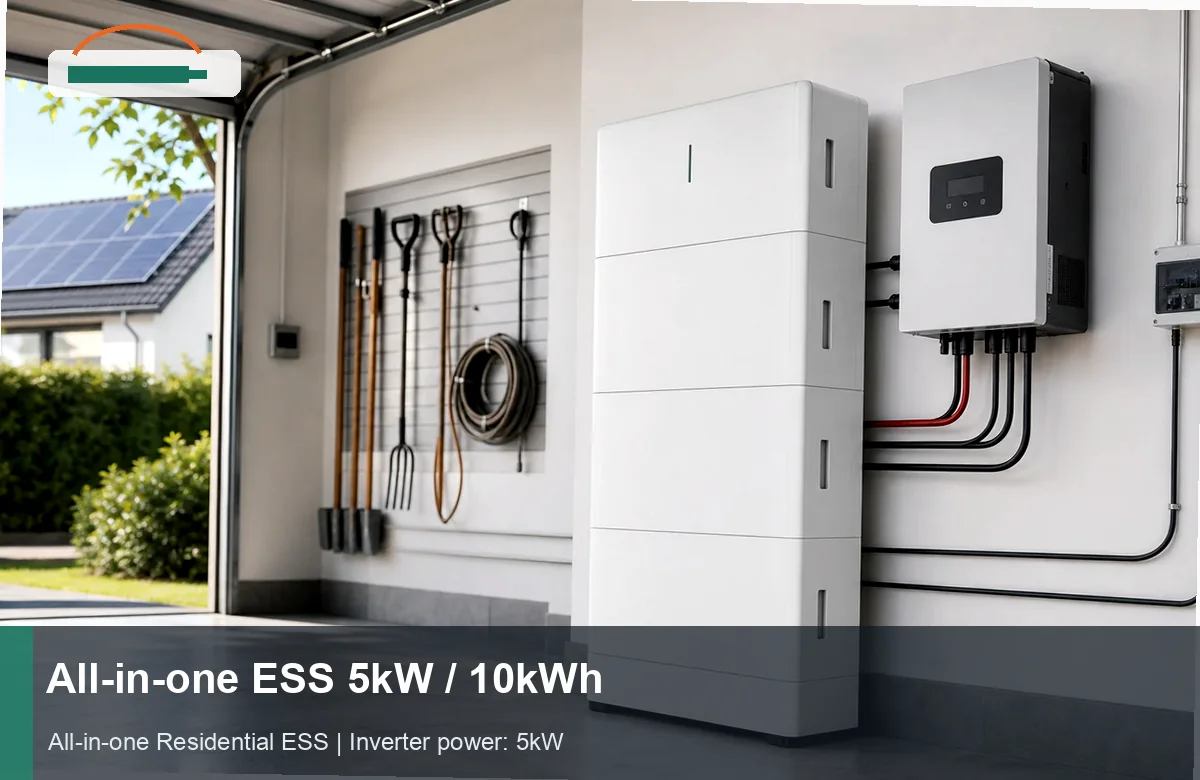
Residential Energy Storage / All-in-one Residential ESS
All-in-one ESS 5kW / 10kWh
All-in-one wall-mounted residential ESS combining 5kW inverter and modular battery capacity.
Inverter power5kWNominal voltage400VProtectionIP65
 Spire ESSOEM clean-energy sourcing
MOQ and lead time
How MOQ and lead time work for solar storage, panels, and EV chargers, and how to write an RFQ that gets a fast, firm answer.
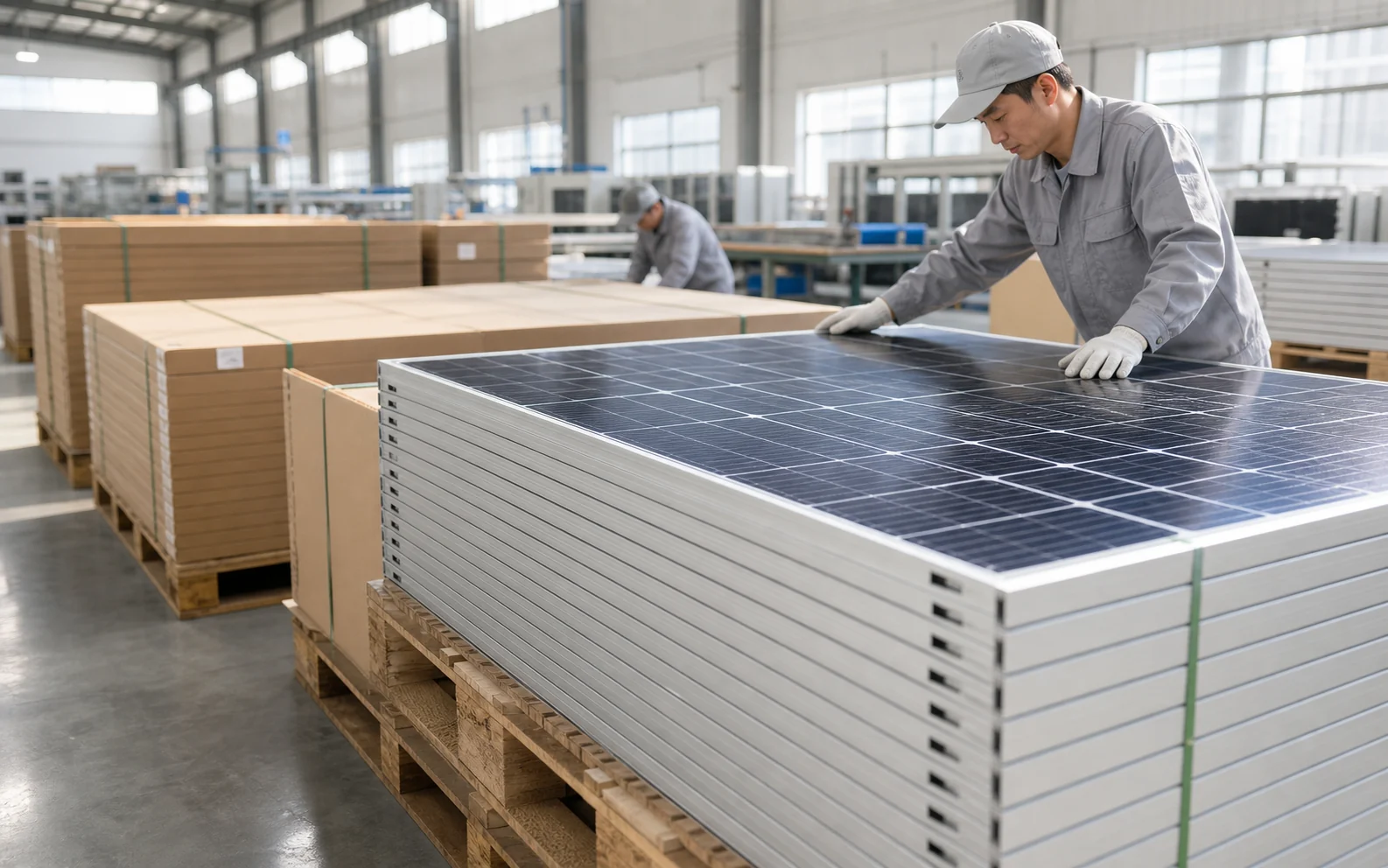
Every overseas buyer asks two questions before a first order: how many units do I have to buy, and how long until they land at my port? For clean-energy hardware these do not have a single printed answer. MOQ and lead time depend on the product line, the container type, your destination port, certification needs, and whether you require custom labeling. This guide explains what drives each variable so you can plan before opening a conversation with sales.
Spire ESS handles the full range from a trial container to ongoing blanket orders, and most product lines can be mixed into one container to help you meet freight minimums efficiently. By the end of this page you will know what to put in your RFQ, what questions to expect back, and roughly how to model the timeline from order confirmation to port arrival.
What to decide before asking for price.
Consumer electronics often carry a printed per-unit MOQ because they are small, stack densely, and ship economically on shared freight. Solar storage hardware is different. A single all-in-one ESS cabinet weighs well over a hundred kilograms and must be palletized and strapped for ocean freight. The container is the practical economic unit, and once you drop well below a container the per-unit freight cost climbs steeply and often erases the margin that makes the trade work.
Because of this, Spire ESS quotes most lines in terms of containers or pallets rather than a single printed unit MOQ. Your sales representative works through the loading plan with you to find the configuration that makes logistical and commercial sense for your order. This is not bureaucracy; it is the fastest route to a price that holds when the cargo booking is confirmed.
Different lines have different thresholds because of size, weight, batch structure, and customization. For all-in-one ESS units the 20ft GP container is a useful anchor: about 108 units of the 5kWh variant, 72 units of the 10kWh variant, or 54 units of the 15kWh variant fit in one 20ft GP container. These are real loading figures you can use to model your initial outlay and warehouse space. A 40HQ container holds roughly double, and is typically preferred by distributors with a proven channel.
Solar panels are ordered by pallet and container, but the exact count per container depends on wattage and frame dimensions, so the packing figure is confirmed per project. Portable power stations are smaller and denser, giving more flexibility on quantity, though production scheduling and packaging still apply. EV chargers are usually ordered per project based on site count, and commercial projects often tie quantity to a production batch when a specific configuration is required.
Lead time is the sum of several sequential steps, and the longest one governs the schedule. The factors that most commonly determine your timeline are whether the product is in finished-goods stock or needs a production run, the documentation and certification stage, customization such as private labeling or packaging, and ocean freight transit to your port.
Stock availability is the fastest path: when a model and capacity are in inventory and no customization is needed, the time from order confirmation to cargo-ready can be much shorter than a full production run. Stock depletes, though, and high-demand periods before the installation season or ahead of incentive deadlines can shift a product from stock to the production queue. Early inquiry matters: confirming availability before you need it gives maximum scheduling flexibility.
One of the most effective ways for a new importer to manage freight cost while building a diverse range is to combine product lines into a single container. A distributor entering the residential market might load all-in-one ESS units alongside a pallet of portable power stations and a consignment of solar panels on the same booking. This spreads the fixed freight cost across more product, lowers per-unit landed cost, and lets you offer installers a complete solution without tying up capital in multiple separate shipments.
Combining lines requires a coordinated loading plan and a cargo-ready date that aligns across all lines. If one line needs a production run and another is in stock, the stock item is held until the production run completes unless you split the shipment. Sales maps this out during the RFQ so there are no surprises at booking time.
A vague inquiry produces a vague quote. The fastest way to a firm price and timeline is an RFQ with the five inputs sales needs to answer without going back and forth. Many buyers send a one-line message and then wait days for a clarification exchange that could have been avoided. The five inputs take ten extra minutes and can cut the response cycle from a week to one or two business days.
The five inputs are the exact model and capacity variant; the target quantity in units and in containers or pallets; your destination port and preferred Incoterms; the certification standard your market requires; and any customization including branding or packaging language. If you are unsure of any, flag it explicitly and ask for guidance. A partial RFQ with honest unknowns beats a complete RFQ with guessed values, because guessed values produce a quote that falls apart when the real spec is confirmed.
Consider a distributor planning their first all-in-one ESS order. They want to test the 10kWh variant at a volume that fills a 20ft container. Using the real loading figure of 72 units per 20ft GP, they can model warehouse footprint, initial inventory investment, and how many residential installations they can support before reordering. They know their market needs CE certification and they want private-label packaging with their brand on the outer carton.
In their RFQ they specify: all-in-one ESS 10kWh, 72 units, 20ft GP, destination port, CE documentation required, private-label carton with artwork to be supplied. This gives sales everything needed to confirm the production schedule, check certification document status, brief the packaging team on artwork lead time, and produce a firm price with a realistic cargo-ready date. The buyer gets a complete answer instead of a sequence of clarification questions, and the order moves faster.
| Product line | Typical order unit | What sets lead time | Confirm with sales |
|---|---|---|---|
| All-in-one ESS (5 / 10 / 15 kWh) | 20ft GP or 40HQ container | Stock vs production run, certification docs, customization | Exact loading count, stock availability, artwork lead time |
| Mono solar panels (e.g. 550W) | Full container, pallet count per project | Production batch, frame spec, certification version | Container packing count, wattage variant lead time |
| Portable power stations | Pallet or partial container | Production batch, packaging variant | Minimum batch quantity, mixed-load options |
| EV chargers | Project-based, per site count | Configuration, grid certification, communication protocol | Configuration lead time, certification market scope |
| Mixed container (combined lines) | One container, multiple line items | The slowest line governs the cargo-ready date | Alignment of cargo-ready dates across all lines |
All quantities, loading counts, and timelines are confirmed per order by sales. Figures above are planning context only and do not constitute a binding quote. ESS loading counts are based on standard 20ft GP dimensions; actual count may vary with pallet configuration.
Products
Residential Energy Storage / All-in-one Residential ESS
All-in-one wall-mounted residential ESS combining 5kW inverter and modular battery capacity.
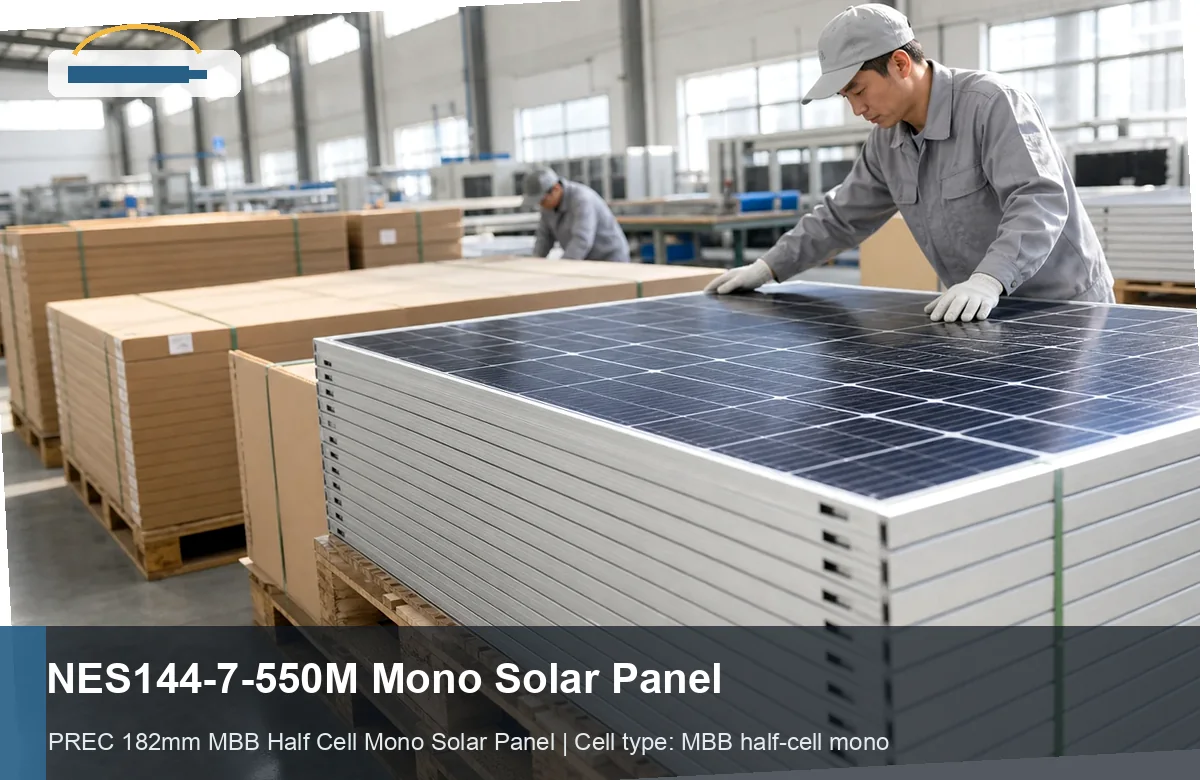
Mono Solar Panels / PREC 182mm MBB Half Cell Mono Solar Panel
High-power MBB half-cell mono solar module for rooftop, commercial, and off-grid solar projects.
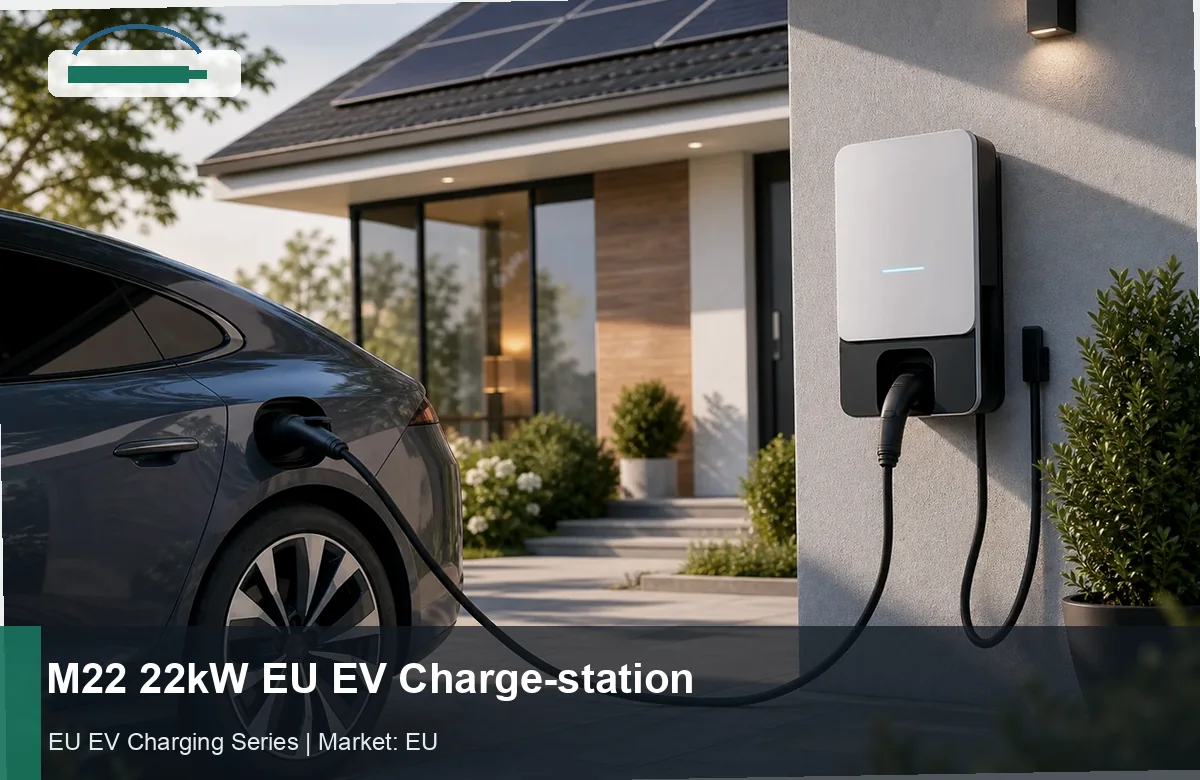
EV Chargers / EU EV Charging Series
Wall-mounted and portable EV chargers for EU residential and light commercial channels.
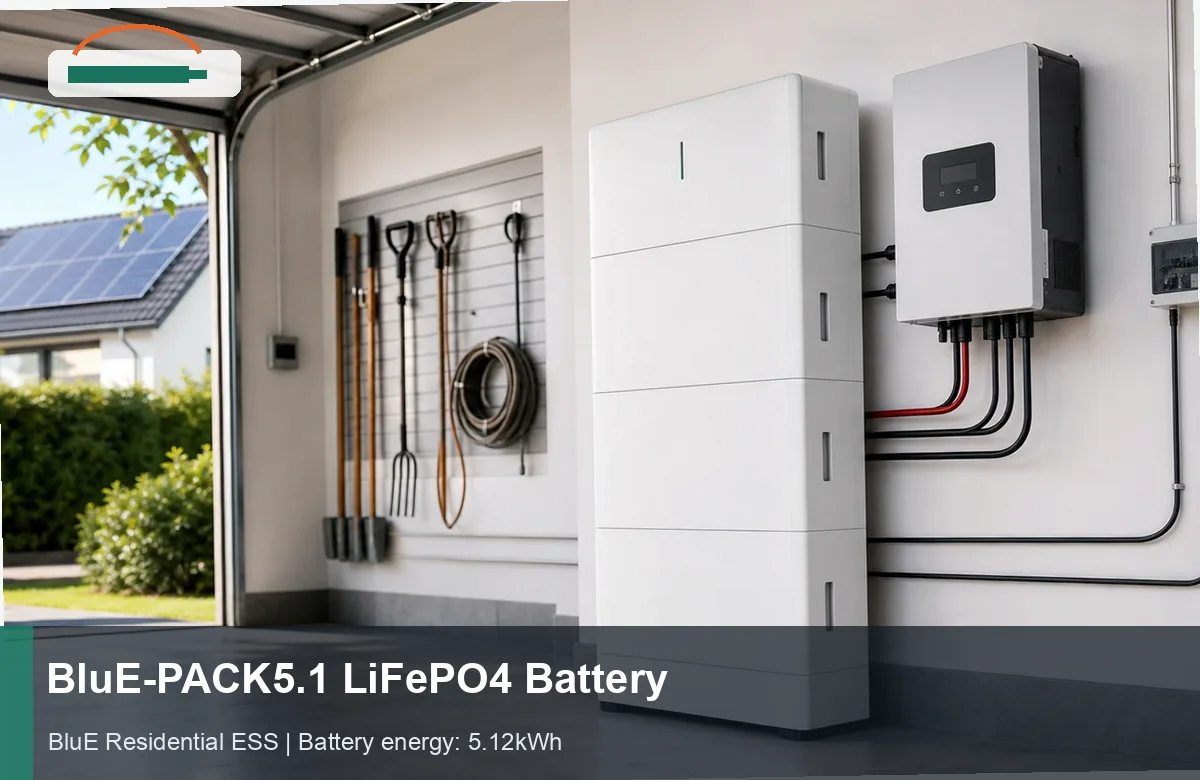
Residential Energy Storage / BluE Residential ESS
5.12kWh LiFePO4 battery module for scalable residential energy storage systems.
Most product lines are quoted by project or by container rather than by a fixed printed unit MOQ, because freight economics for heavy energy hardware make the container load the practical minimum. Sales confirms the minimum that makes sense for your product line, destination, and any customization.
About 108 units of the 5kWh variant, 72 units of the 10kWh variant, or 54 units of the 15kWh variant fit in a standard 20ft GP container. You can use these figures to plan your initial order size and warehouse capacity; the exact count is confirmed on the packing list.
Yes. Many buyers combine all-in-one ESS units, solar panels, and portable power stations in one shipment to spread fixed freight cost and build a broader range. The key requirement is that all lines reach cargo-ready status together, or you elect to split the shipment.
Certification documentation is often the longest item buyers underestimate. Test reports and type-approval letters for markets with strict requirements must be prepared in parallel with production. If your market needs a certification you have not confirmed, raise it in the RFQ so it can be scoped into the timeline.
Private-label carton design needs an artwork review and approval step before the production order is released. Submit your artwork file alongside the signed order so it does not add days to your cargo-ready date.
Send an RFQ with the exact model and capacity, your target quantity in units and container type, your destination port, the certification your market requires, and any customization. A complete RFQ removes the clarification round-trip and lets sales produce a firm price and realistic cargo-ready date in one pass.
AI product assistant