Residential Energy Storage / All-in-one Residential ESS
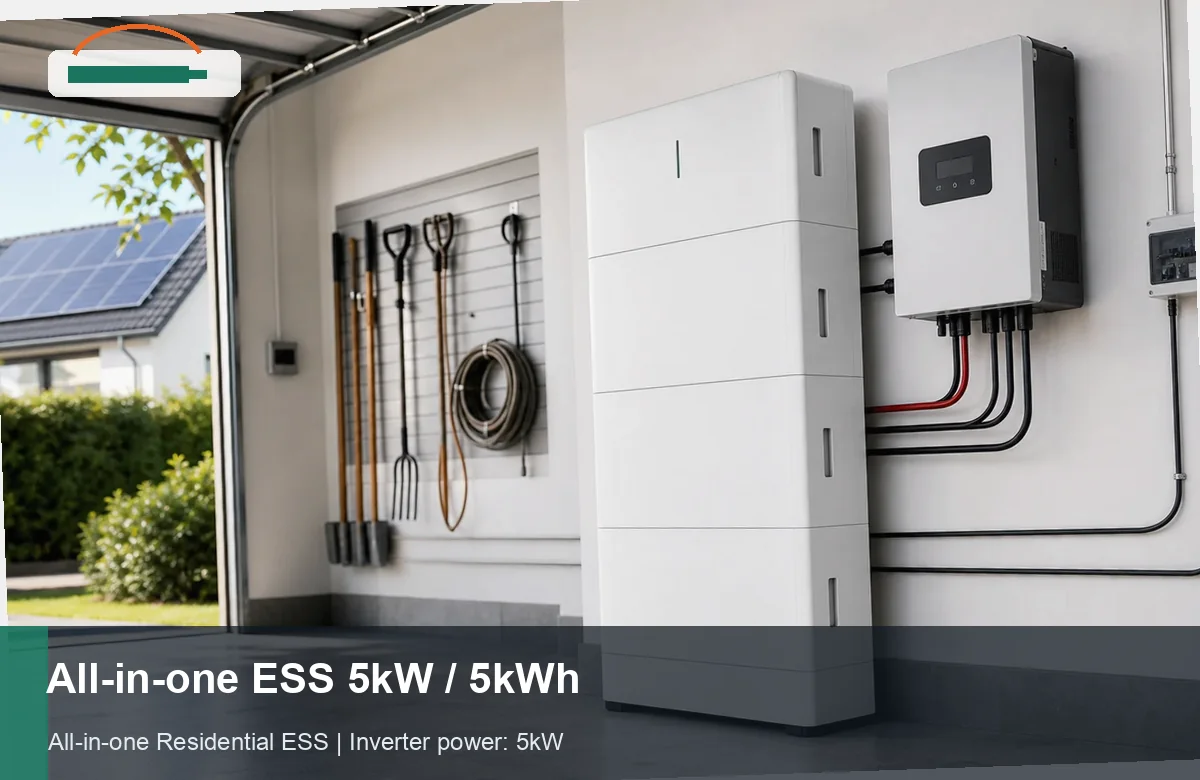
All-in-one ESS 5kW / 5kWh
All-in-one wall-mounted residential ESS combining 5kW inverter and modular battery capacity.
Inverter power5kWNominal voltage400VProtectionIP65
 Spire ESSOEM clean-energy sourcing
Home ESS sourcing
Choose home ESS systems by 5/10/15kWh storage bands, inverter match, installation format, destination certification, and quote checklist.
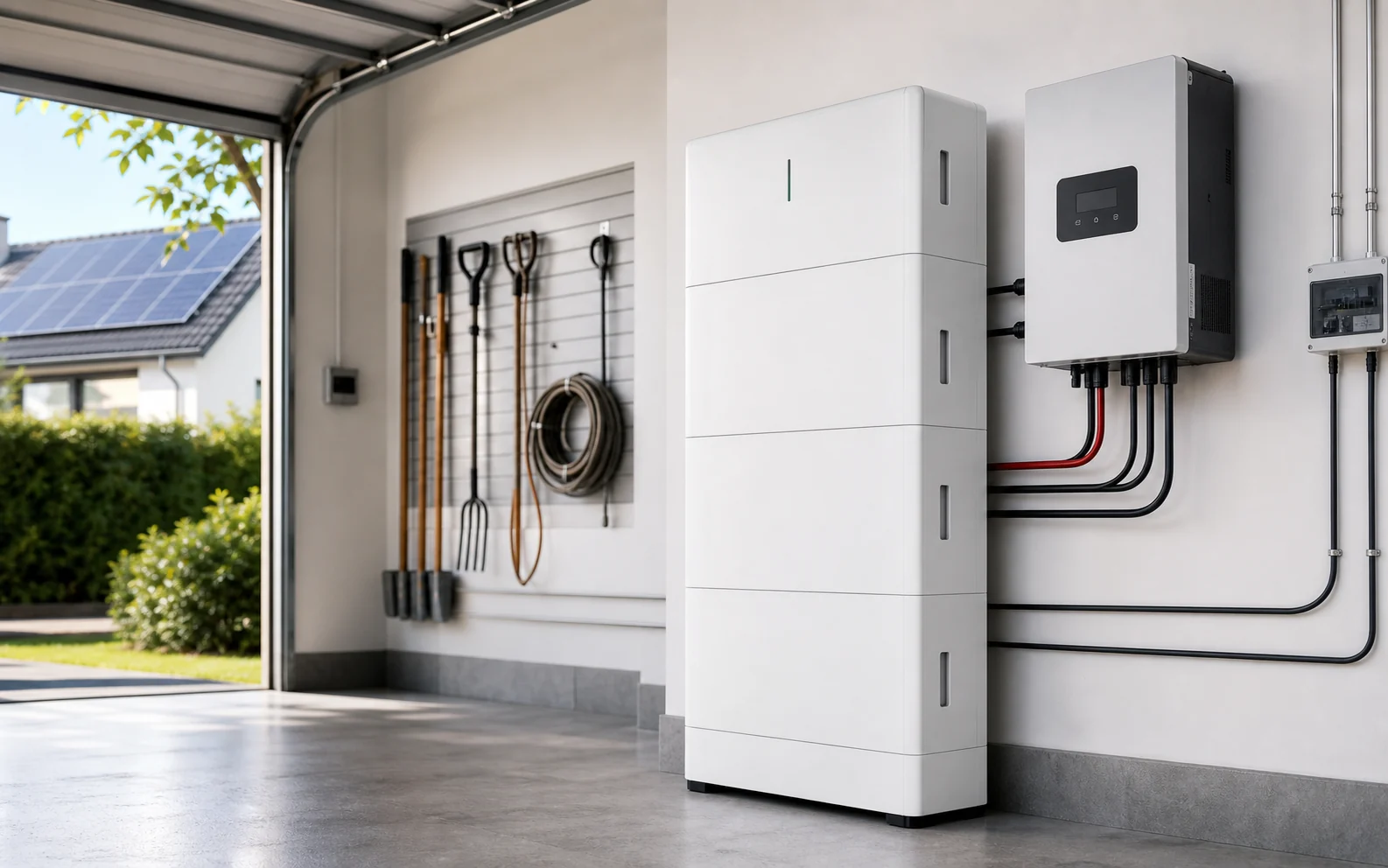
Residential energy storage buyers usually arrive with a simple request: 5kWh, 10kWh, or 15kWh home battery. That number is only the start. The useful supplier conversation also needs backup hours, inverter power, battery voltage, wall or floor installation, PV input, destination market, certification, and whether the buyer is an installer, distributor, or regional solar retailer. Without those details, a quote becomes a model list rather than a project-ready storage package.
Spire ESS residential storage covers all-in-one ESS systems, wall-mounted batteries, stacked or high-voltage battery options, and hybrid inverters. This guide explains how to turn a home ESS inquiry into a short procurement brief, how to compare 5kWh, 10kWh, and 15kWh bands, and what information to include so sales can confirm a matched system instead of quoting disconnected parts.
What to decide before asking for price.
A 5kWh system fits light backup, small apartments, and entry retail programs. It can keep essentials running but may not satisfy buyers who expect overnight coverage. A 10kWh system is the mainstream residential storage band because it covers many homes' evening and overnight load after solar production drops. A 15kWh system suits larger houses, higher evening consumption, heat pump support, or buyers who want more reserve for outages. The storage band should be checked against usable energy, battery depth of discharge, and inverter output before a model is selected.
An all-in-one ESS is easier to explain and easier to sell when the buyer needs a compact package with a simple installation story. It reduces model-matching work because inverter and battery are already presented as a coordinated unit. Separate battery plus hybrid inverter gives more flexibility: installers can choose wall-mounted or high-voltage batteries, match a specific inverter phase, and expand capacity by adding battery modules where supported. A distributor may stock both: all-in-one units for retail simplicity and separate batteries for installer channels that need system design flexibility.
Battery capacity answers how long the home can run; inverter power answers what the home can run at one time. A buyer who only asks for 10kWh may still be disappointed if the inverter cannot handle peak load. For typical essential backup, a 5kW inverter class covers refrigerator, lights, router, small appliances, and short-duration household loads, but high-power heating, induction cooking, pumps, or EV charging require a separate conversation. The RFQ should state the largest loads and whether the storage is for backup only, self-consumption, or time-of-use shifting.
Wall-mounted batteries save floor space and work well for garages or utility rooms. All-in-one systems simplify the visual story but require wall and access checks because weight and clearance matter. Stacked or high-voltage battery towers suit higher-capacity homes and light commercial projects, but they require more careful matching with the inverter and BMS communication. The buyer should send installation photos or at least wall type, indoor or outdoor location, ambient temperature range, and available footprint. These details help sales avoid a configuration that looks right on paper but is awkward to install.
Home ESS equipment is judged by both product certification and installation rules. CE, UKCA, RoHS, UN38.3, MSDS, inverter grid standard, manual language, and local installer documentation can all matter depending on market. A supplier cannot give a reliable answer if the RFQ says only 'Europe' or 'home battery'. State the destination country, grid phase, expected documents, and whether the buyer sells through installers, retail, or project channels. Sales can then confirm the certificate scope for the exact model and warn about documents that need local verification.
The strongest residential ESS inquiry lists the home profile, storage band, inverter power, PV size, grid phase, destination, required certificates, installation format, quantity, and packaging or OEM needs. If the buyer already sells solar panels or inverters, mention those brands or voltage windows. If the buyer wants a complete Spire ESS package, ask for the battery, inverter, and optional panel pairing in one quote. A system-level RFQ reduces risk for installers and gives distributors a cleaner catalog story.
| Storage band | Best fit | What to confirm |
|---|---|---|
| 5kWh | Entry backup, small homes, trial channel stock | Essential load list, wall space, inverter power, sample quantity |
| 10kWh | Mainstream home solar storage and overnight backup | Usable energy, 5kW inverter fit, PV size, destination certification |
| 15kWh | Larger homes, longer backup, stronger installer offers | Expansion method, battery communication, installation footprint, delivery plan |
| Battery + inverter | Installer projects needing flexibility | Battery voltage, BMS protocol, grid phase, PV string plan |
Bands are procurement planning anchors. Final product selection must be confirmed with sales based on load, market, certification, and installation constraints.
Products
Residential Energy Storage / All-in-one Residential ESS
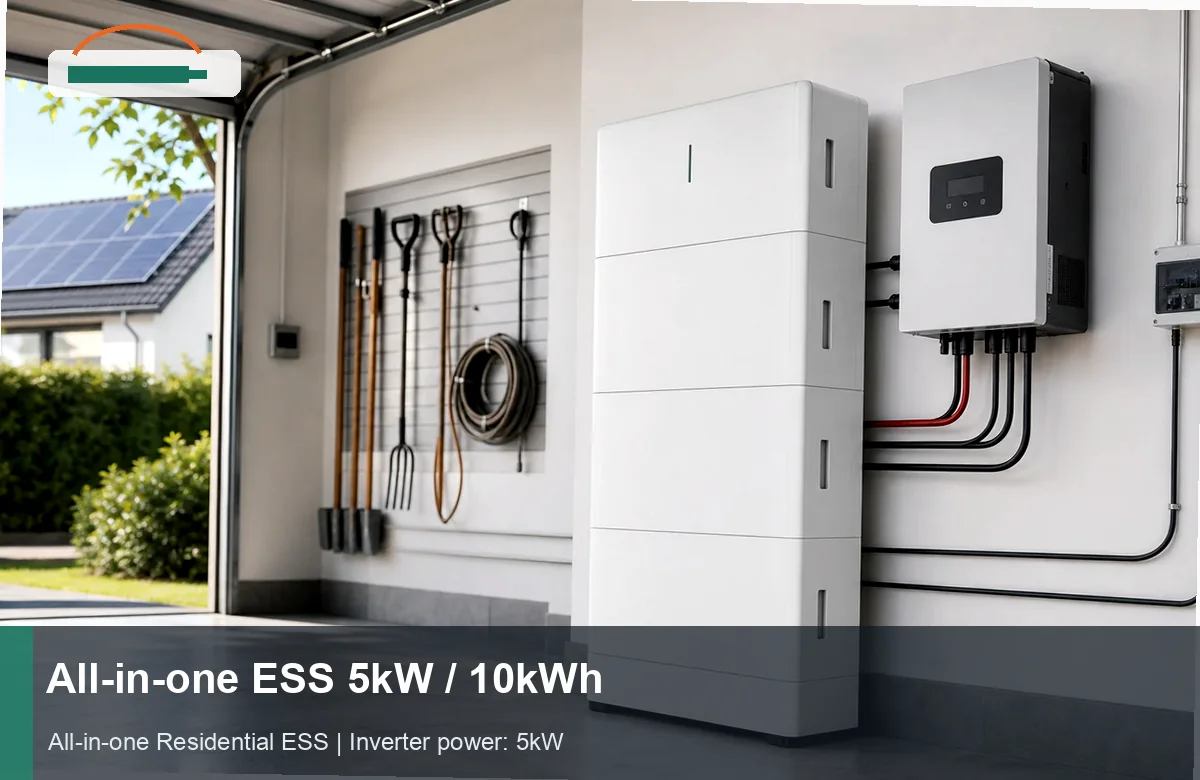
All-in-one wall-mounted residential ESS combining 5kW inverter and modular battery capacity.
Residential Energy Storage / All-in-one Residential ESS
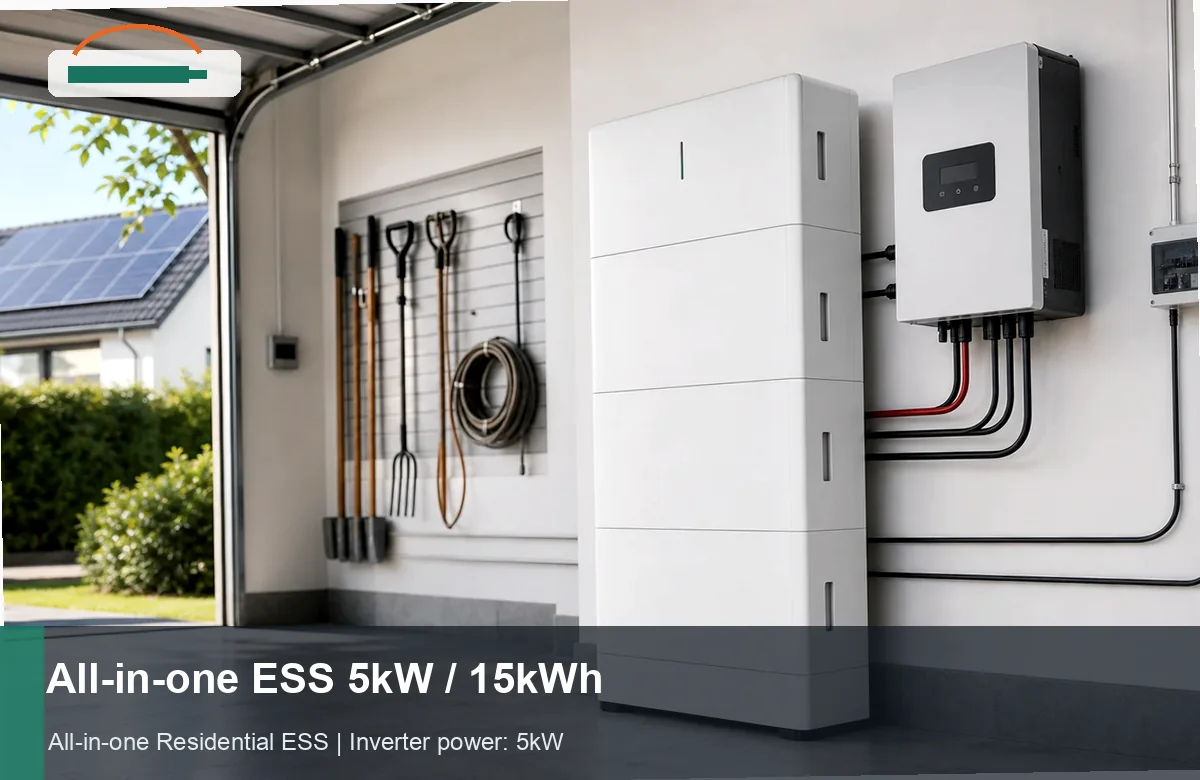
All-in-one wall-mounted residential ESS combining 5kW inverter and modular battery capacity.
Residential Energy Storage / All-in-one Residential ESS
All-in-one wall-mounted residential ESS combining 5kW inverter and modular battery capacity.
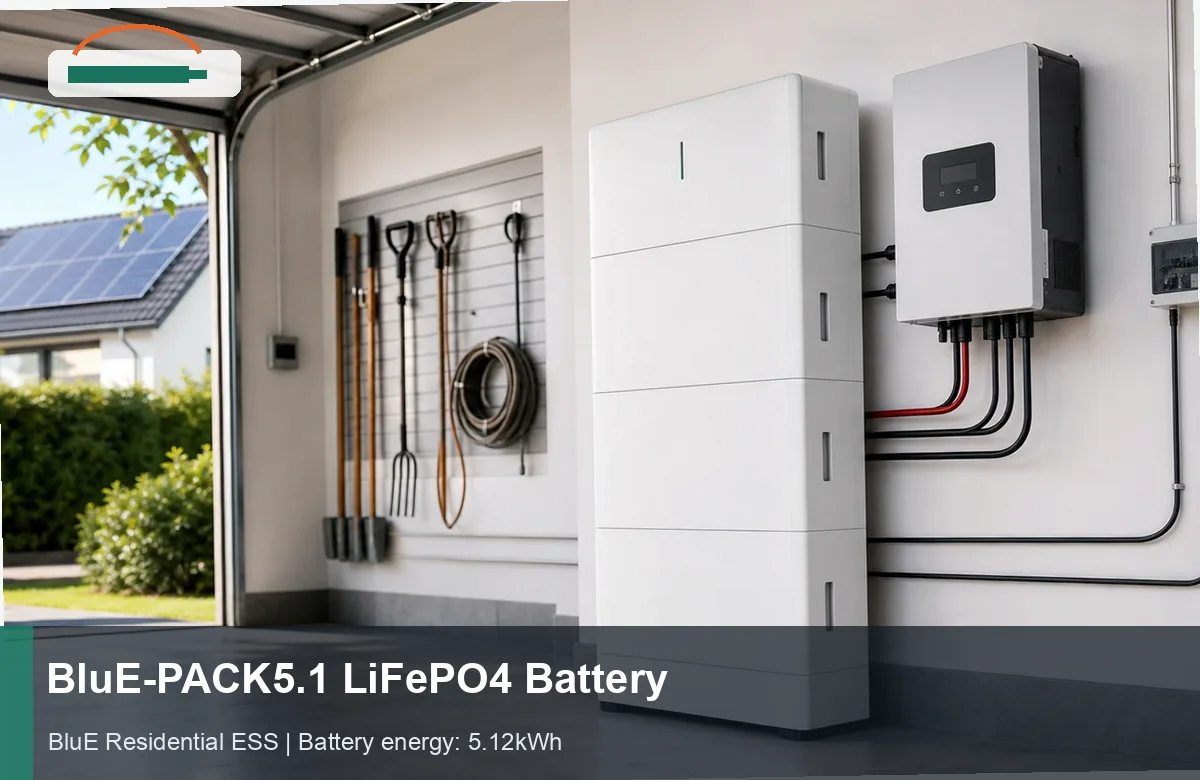
Residential Energy Storage / BluE Residential ESS
5.12kWh LiFePO4 battery module for scalable residential energy storage systems.
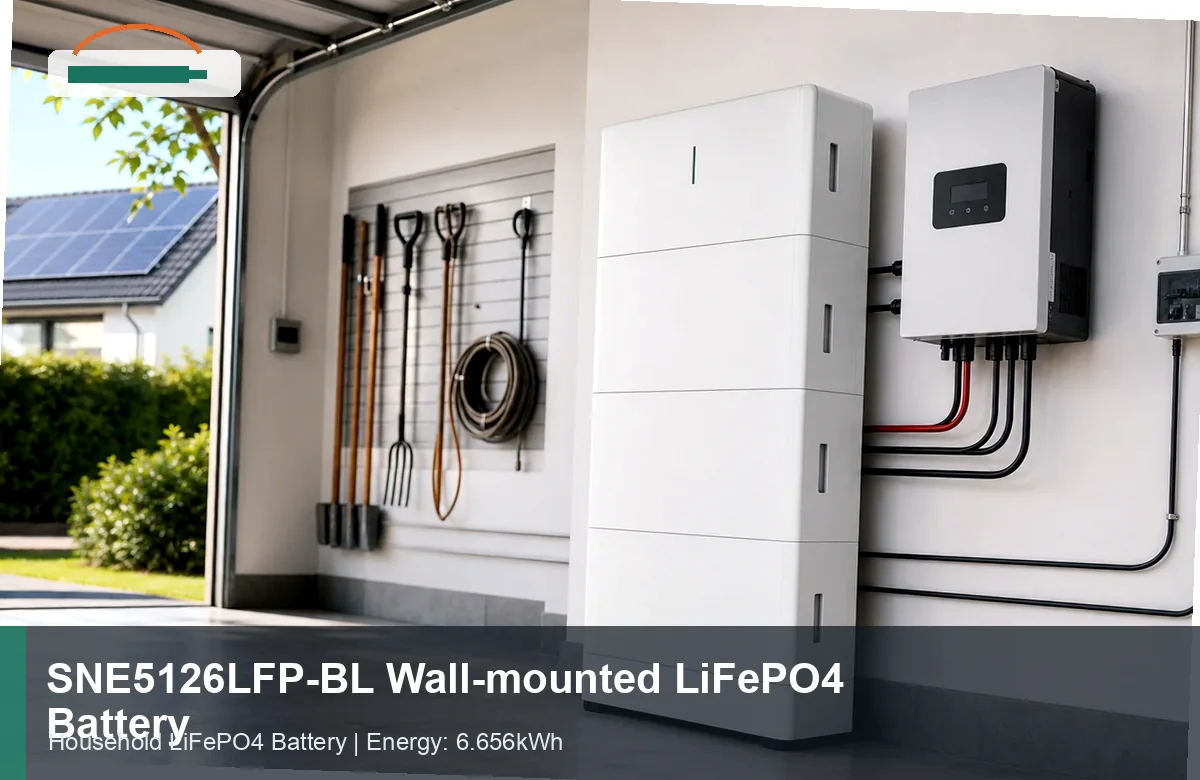
Residential Energy Storage / Household LiFePO4 Battery
6.656kWh wall-mounted LiFePO4 home battery for residential solar storage and backup.
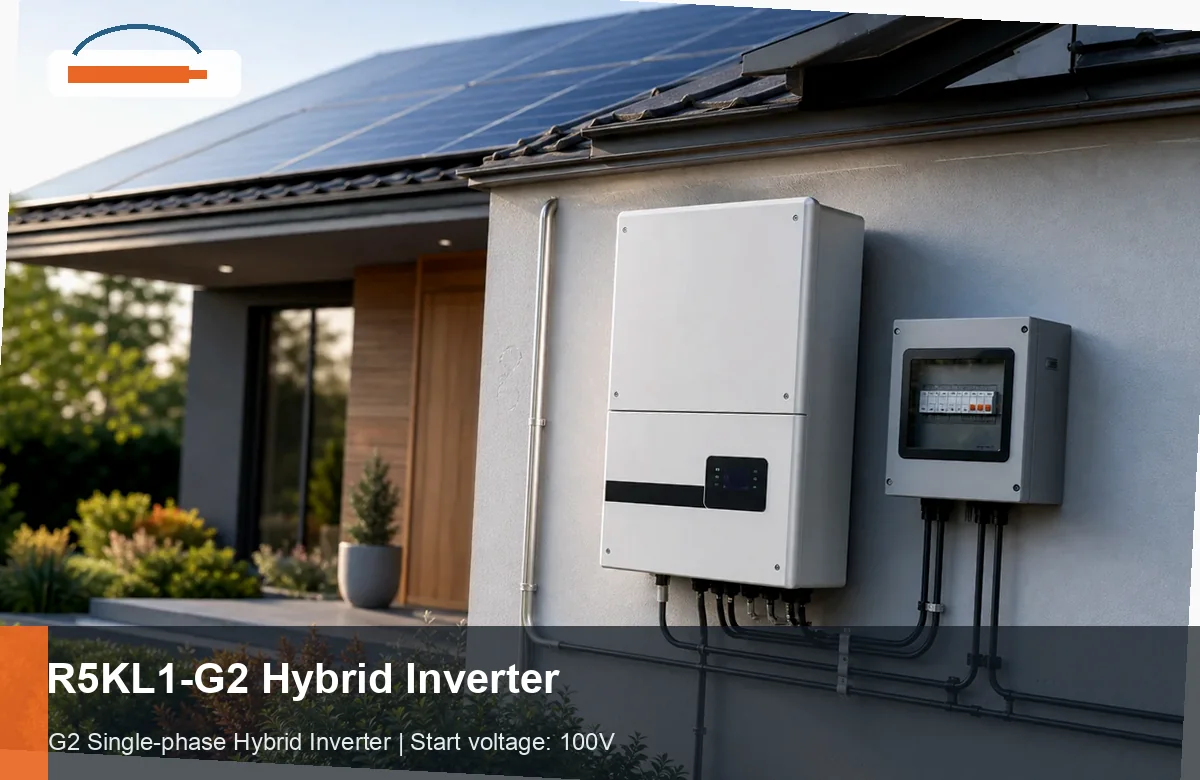
Solar Inverters / G2 Single-phase Hybrid Inverter
Single-phase hybrid inverter range for residential solar storage systems.
For many homes, 10kWh is the mainstream band for evening self-consumption and essential overnight backup. It is not automatically enough for heating, induction cooking, pumps, or EV charging. Confirm the load list and backup hours before choosing the model.
All-in-one ESS is easier for retail explanation and simpler system matching. Separate battery plus hybrid inverter gives installers more flexibility for battery expansion, grid phase, PV input, and project-specific design.
Include storage band, inverter power, load list, backup hours, PV size, grid phase, destination country, certification needs, installation format, quantity, delivery window, and any OEM or packaging requirement.
Yes. Spire ESS pages connect batteries, all-in-one systems, and hybrid inverters so buyers can request a matched package. Sales confirms final model fit, communication, voltage range, and certificate scope per order.
Yes. Product certificates, grid documentation, manual language, and installer paperwork can differ by destination. State the exact country in the first message so sales can confirm which documents apply to the model.
Private-label packaging and documentation are confirmed by model, order size, and market. Send logo, manual language, carton scope, target quantity, and certification requirements with the RFQ.
AI product assistant