Same product, two names
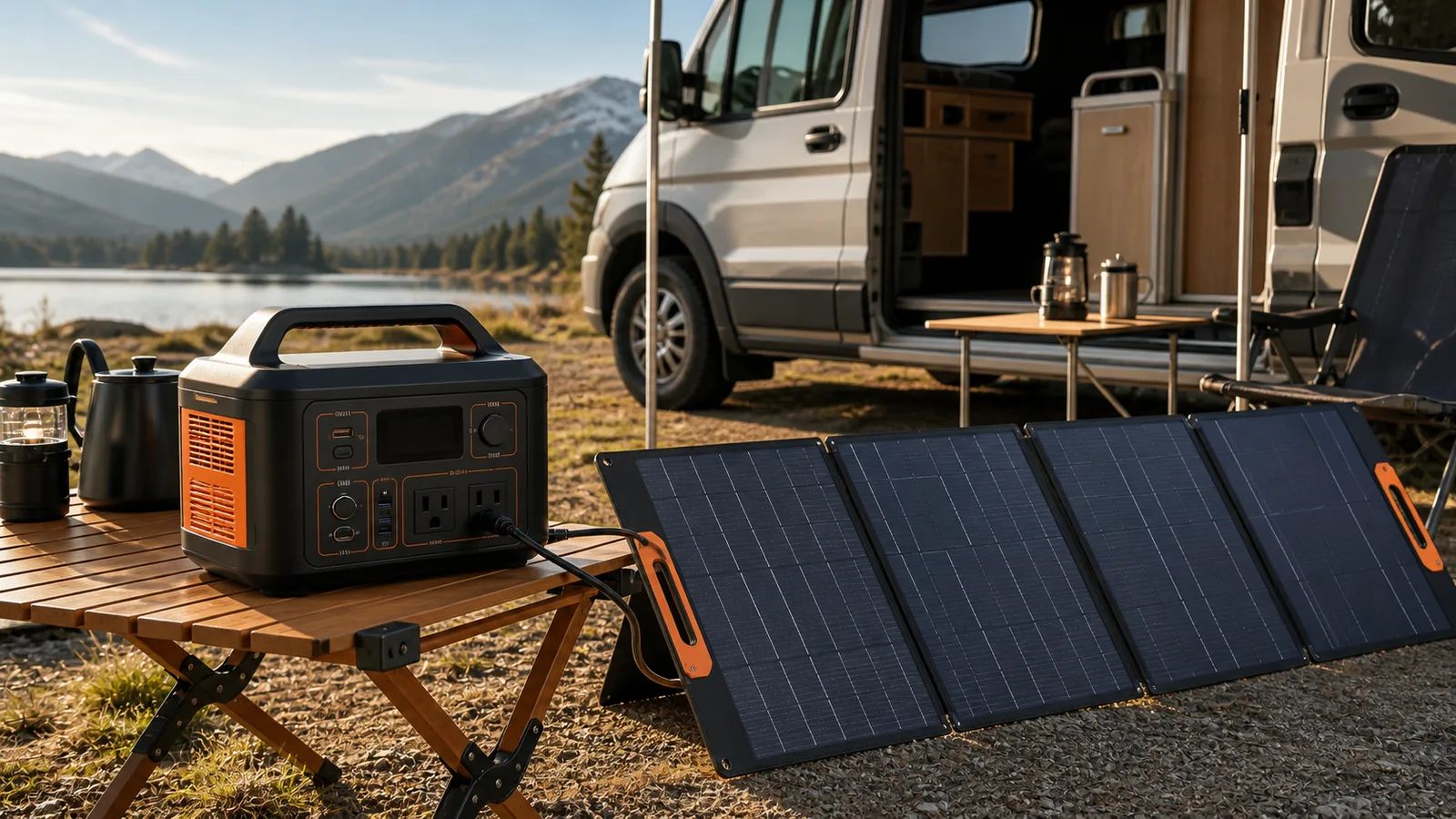
A portable power station is a rechargeable battery unit with a built-in inverter, AC and DC output ports, and usually a solar charging input. A solar generator is the same unit with a foldable or rigid solar panel included in the box. The distinction is purely whether the panel ships with the station; the underlying hardware (cells, BMS, inverter stage, charge controller, display, housing) is identical or from the same line.
This matters for sourcing because buyers sometimes request the two as if they are separate categories needing separate factory relationships. They are not. The practical question is whether you stock the station alone and let the buyer add a panel separately, or offer a pre-configured bundle that ships as one unit. Both paths are valid and can coexist in the same catalog.
- Portable power station: the battery-plus-inverter unit on its own.
- Solar generator: the same unit bundled with at least one foldable or portable solar panel.
- The panel adds solar charging, but the station already has a solar input whether or not a panel is included.
- Sellers often use the names interchangeably in titles, which is why buyers see both on the same listing.
What the solar generator bundle actually adds
Including a foldable solar panel changes three things: the retail story, the retail price, and the logistics. The story gets easier because the buyer does not need to find a compatible panel, figure out the connector, or worry about mismatched wattage; the station and panel are confirmed to work together with the connector kit included. For a buyer who has never charged a power station from the sun, that confidence is worth paying for.
The logistics change because you are moving a larger carton. Even a compact 200W foldable panel adds weight and volume, and carton dimensions affect pallet count, container fill, and shipping cost per unit. A 400W panel paired with a larger station is a substantial box. Some channels prefer the standalone station because it ships more efficiently and the buyer attaches a local panel; others want the complete kit because their customers are not confident shopping for accessories. Confirm which model fits your channel before ordering.
- A bundled connector kit removes accessory compatibility uncertainty for the end buyer.
- Panel wattage determines how quickly the station recharges in the field; match it to the station capacity.
- A larger carton raises shipping cost per unit; weigh that against the higher bundle retail price.
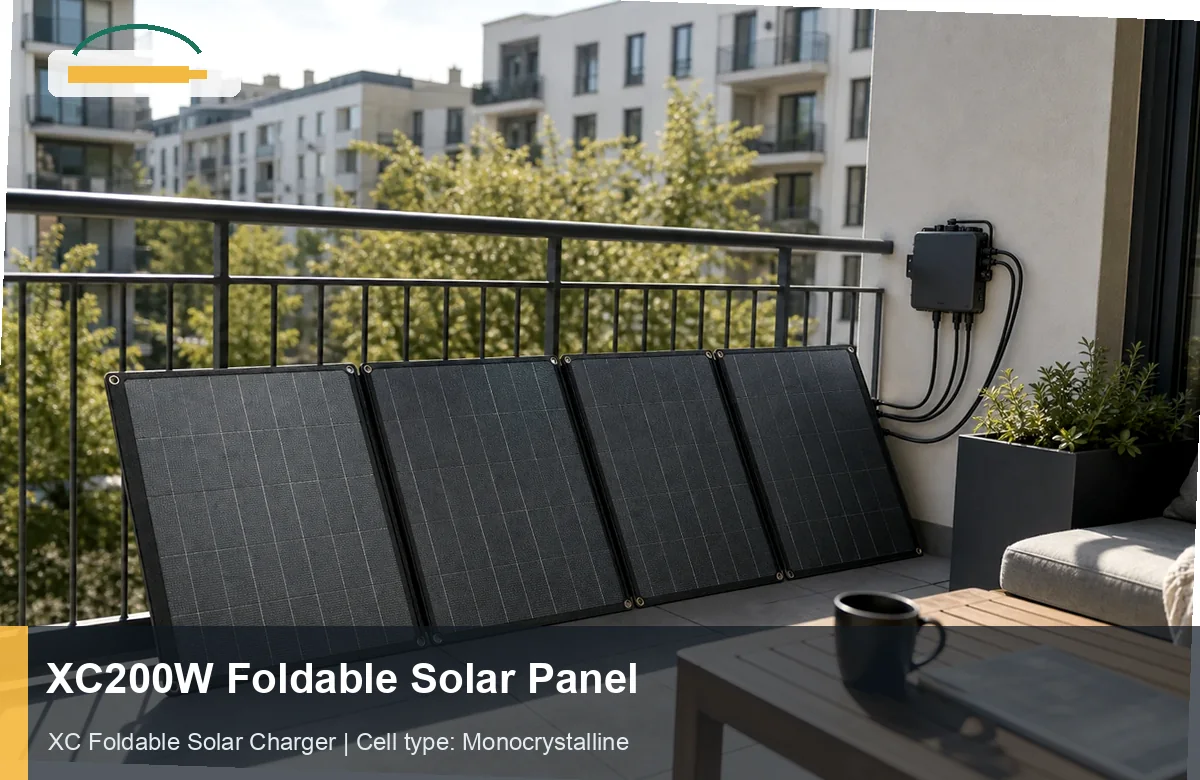
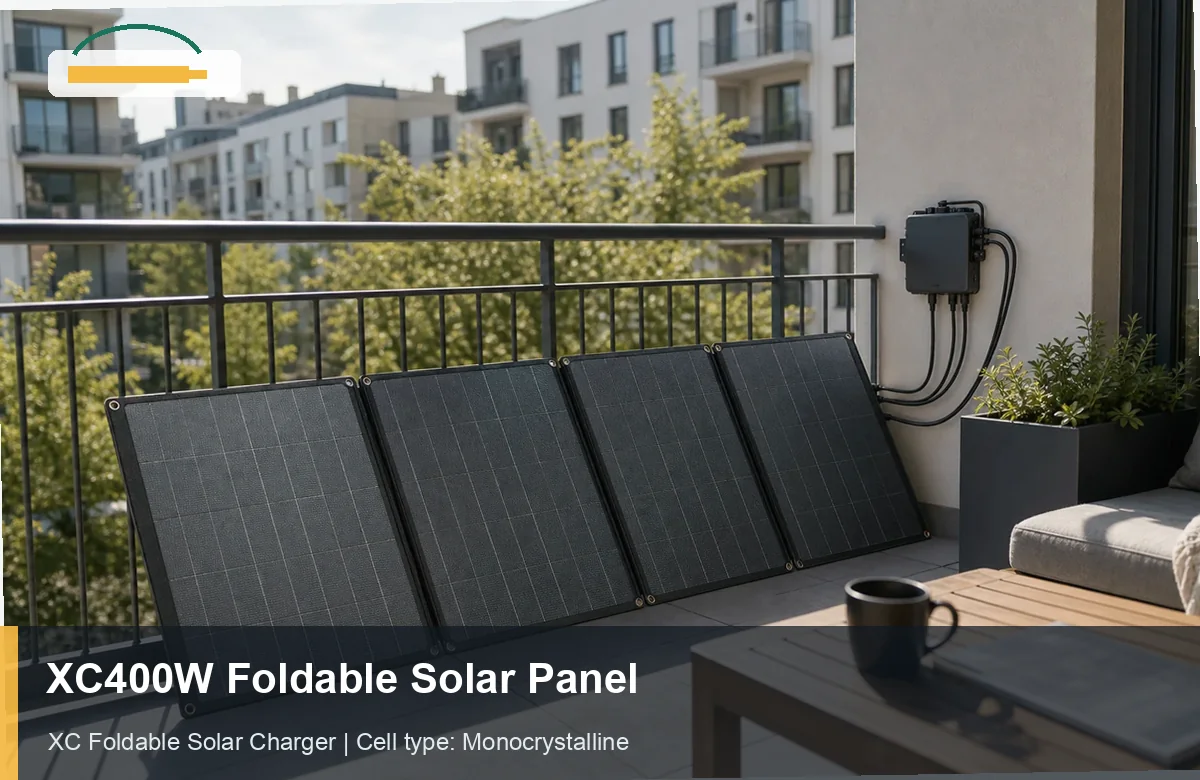
- Spire ESS XC200W and XC400W foldable panels are designed to pair with portable power stations; confirm which suits the tier.
Building an assortment ladder
The most common mistake retailers make is sourcing one model and treating it as the range. One model means no upsell path, no way to capture both budget and premium shoppers, and no defense against a competitor on the shelf with three options. A retail assortment should cover at least three tiers: an entry model that competes on accessibility, a mid-range model that covers the broadest need, and a flagship that anchors the category and justifies the mid-tier price by comparison.
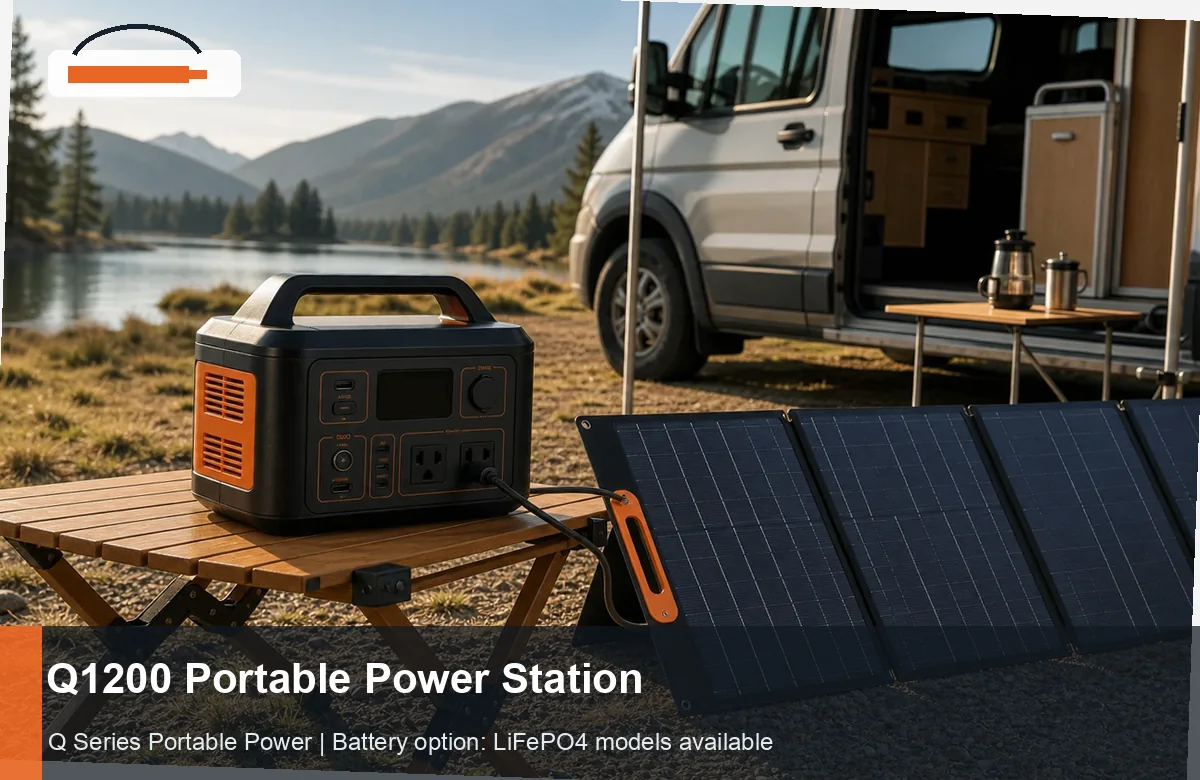
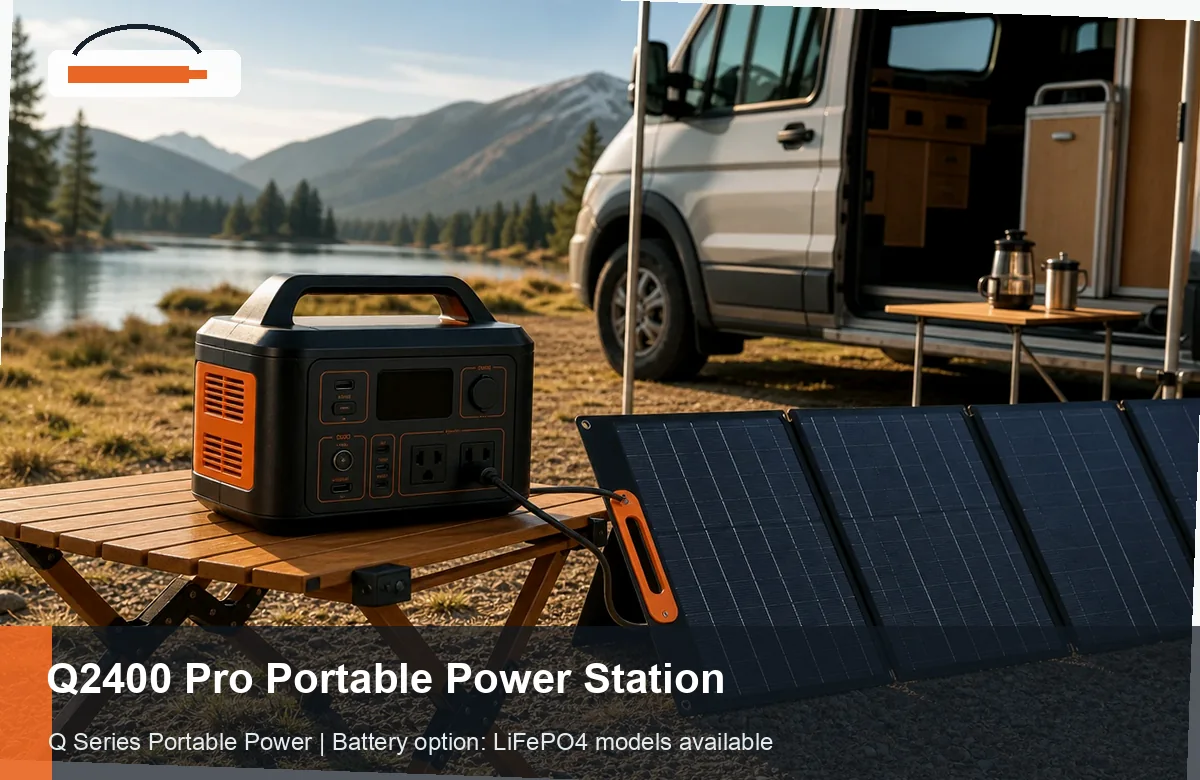
A practical entry tier is compact enough to carry in a backpack and handles phones, lighting, and small electronics. A mid-range tier handles a small projector, a CPAP, or a full day of laptop use. The Q1200 at 1008Wh and 1200W steps up to small refrigerators and overnight camping; the Q2400 Pro at 4608Wh and 2400W (4800W peak) and the LiFePO4 YD2400 at 2016Wh handle multi-day trips, car camping, or serious emergency backup. Confirm exact capacity and output with sales for each tier, then decide which to carry based on your channel's typical basket.
- Entry tier: compact and light, strong portability story, lower retail price.
- Mid tier: the volume seller covering the widest use cases; anchor for the solar generator bundle.
- Flagship tier: high capacity and output (Q2400 Pro, YD2400) for RV, emergency, and van life.
- Adding bundle variants at mid and flagship tiers doubles effective SKU count without a new station model.
Battery chemistry and retail trust
Portable power stations come in two main chemistries: standard lithium-ion (NMC/NCA) and lithium iron phosphate (LiFePO4, or LFP). The chemistry affects how you position the product and how confidently you can answer questions about safety and long-term value.
LiFePO4 is thermally more stable than NMC under stress and carries a significantly higher cycle-life figure, so it can be charged and discharged many more times before capacity degrades meaningfully. For a retailer that means a simpler, more defensible story: longer life, safer handling, less customer anxiety. The trade-off is that LiFePO4 cells are heavier and less energy-dense at the same capacity, so the unit is larger or heavier for a given Wh rating, which matters for buyers moving the station often. Spire ESS offers LiFePO4 options in the portable line, and several mid and flagship models (such as the Q-series and YD2400) note LiFePO4 availability. Use chemistry as a positioning lever, not just a spec footnote, and confirm which chemistry applies to each model with sales.
- LiFePO4: higher cycle life and thermal stability; heavier and larger at a given capacity; strong safety story.
- NMC/NCA: higher energy density and lighter weight; shorter cycle life; common in compact entry models.
- Use chemistry as a selling point at mid and flagship tiers where buyers compare long-term value.
- Confirm battery chemistry and any market-relevant certification with sales before ordering.
Plug, certification, and packaging to confirm
A portable power station built for one market often cannot be sold in another without changes. The AC output plug is the most visible issue: selling the wrong plug standard means the buyer cannot use the primary feature on day one, so it must be locked in at the sample stage, not discovered after the container arrives. Confirm the plug standard for the destination with sales.
Certification varies by market. The Spire ESS portable range carries certification including UL, FCC, CE, RoHS, PSE, SAA, UN38.3, and UKCA depending on the specific model and series; the exact set for your model and destination is confirmed by sales rather than assumed. For private-label or white-label ranges, confirm that the manual language, safety label language, and carton artwork match the destination market. Lock all of this before the purchase order.
- AC output plug: confirm the standard matches the destination market before sampling.
- Certification: state destination and channel; sales confirms the exact document set per model.
- Transport documentation: confirm UN38.3 status if air freight or restricted sea routes are involved.
- Retail packaging: confirm carton language, safety label language, and market compliance text.
- OEM and private label: confirm logo, manual language, carton artwork, and barcode requirements.
Bundling for higher order value
The bundle argument is straightforward: a station sold with a matched foldable panel commands a higher price, and the buyer perceives more value because the solar charging story is immediately usable with no extra shopping. Margin per unit rises, satisfaction rises because there are no compatibility headaches, and average order value rises. At the supplier level, the bundle SKU is often the better conversation than a standalone-only order.
The practical question is which panel pairs with which station. A small entry station benefits from a 200W panel that keeps weight and carton size manageable; a mid-range or flagship station can carry a 400W panel pairing that shortens field recharge and justifies a stronger off-grid story. Spire ESS XC200W and XC400W foldable panels are the two relevant SKUs here. Ask sales to confirm connector compatibility, suggest a bundle configuration by tier, and quote bundle packaging as a separate line so you can see the cost difference at each tier.
- Bundle the 200W panel with compact and mid-range stations for a balanced weight and price story.
- Bundle the 400W panel with mid and flagship stations where recharge speed is the headline.
- Confirm the connector kit is included or quoted separately; a mismatched connector kills the out-of-box experience.
- Request bundle packaging dimensions and weight at quote stage to confirm freight and pallet economics.