Start with the channel, then choose the capacity ladder
A marketplace seller, a camping retailer, and an emergency-preparedness distributor do not need the same first shipment. Marketplace sellers often need compact cartons, clear imagery, and lower ticket-price models that can move quickly. Outdoor and RV sellers need stronger AC output and solar charging accessories. Emergency channels need clear backup messaging, safer battery chemistry positioning, and a reliable handoff from sample to repeat order. Once the channel is clear, the capacity ladder becomes easier: entry units for phone, laptop, router, and light loads; mid-range units for fridges, small tools, and camping; high-output units for RV, worksite, or longer emergency backup.
- Entry tier: compact unit for price testing, gifts, and light outdoor use.
- Core tier: mid-range unit that can power common appliances and pair with a 100W to 200W foldable panel.
- Flagship tier: high-output unit for premium retail, RV, and emergency backup bundles.
- Accessory tier: foldable solar panel, connector kit, spare cable, and replacement carton plan.
Use output power and battery capacity together
Buyers often compare only watt-hours, but channel returns and negative reviews usually come from output mismatch. A 1000Wh class unit with weak AC output can disappoint a customer who expects to run a kettle, tool, or induction load. A high-output unit with too little capacity can power the load but drain too quickly. For a clean RFQ, state both the target battery capacity and the AC output class. Also list the expected appliances or retail claims, because sales can then avoid recommending a model that technically fits the number but fails the use case.
- Capacity decides runtime and shipping conversation.
- AC output decides appliance coverage and product tier.
- Solar input decides whether the buyer can sell a complete off-grid bundle.
- Battery chemistry and protection features decide how the retail page should position safety and lifespan.
Build the first assortment from named catalogue bands
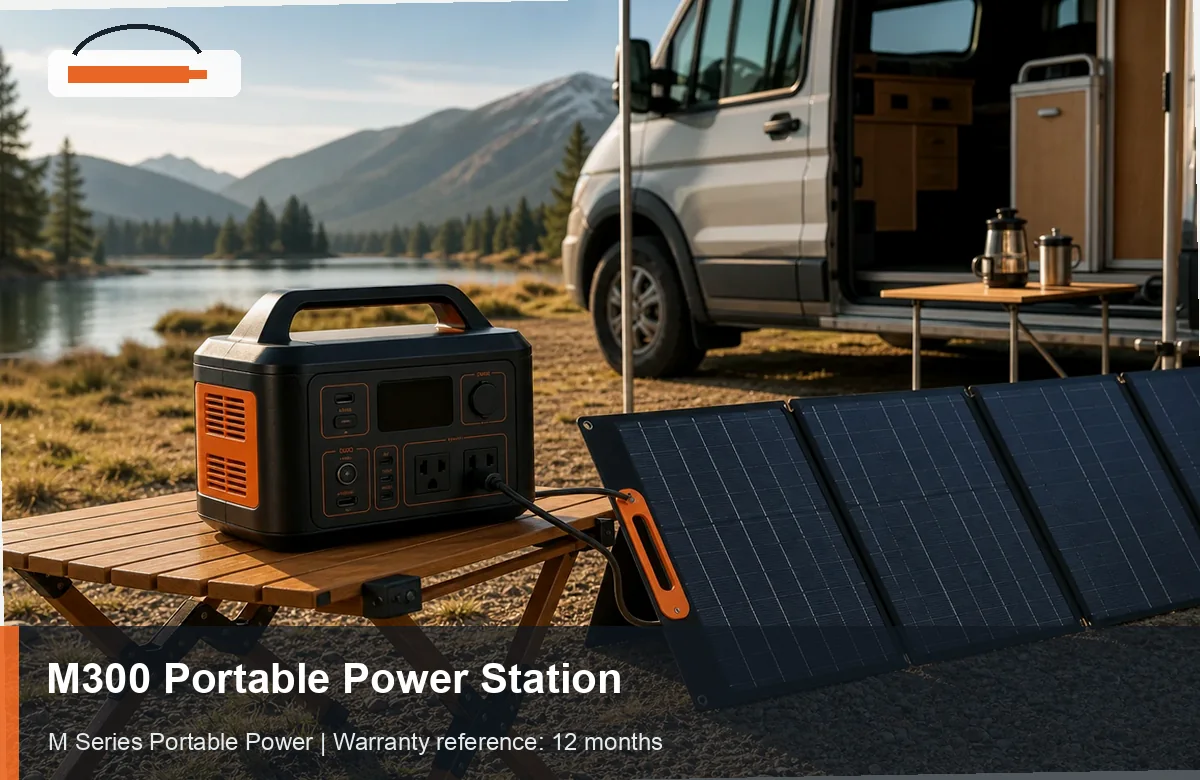
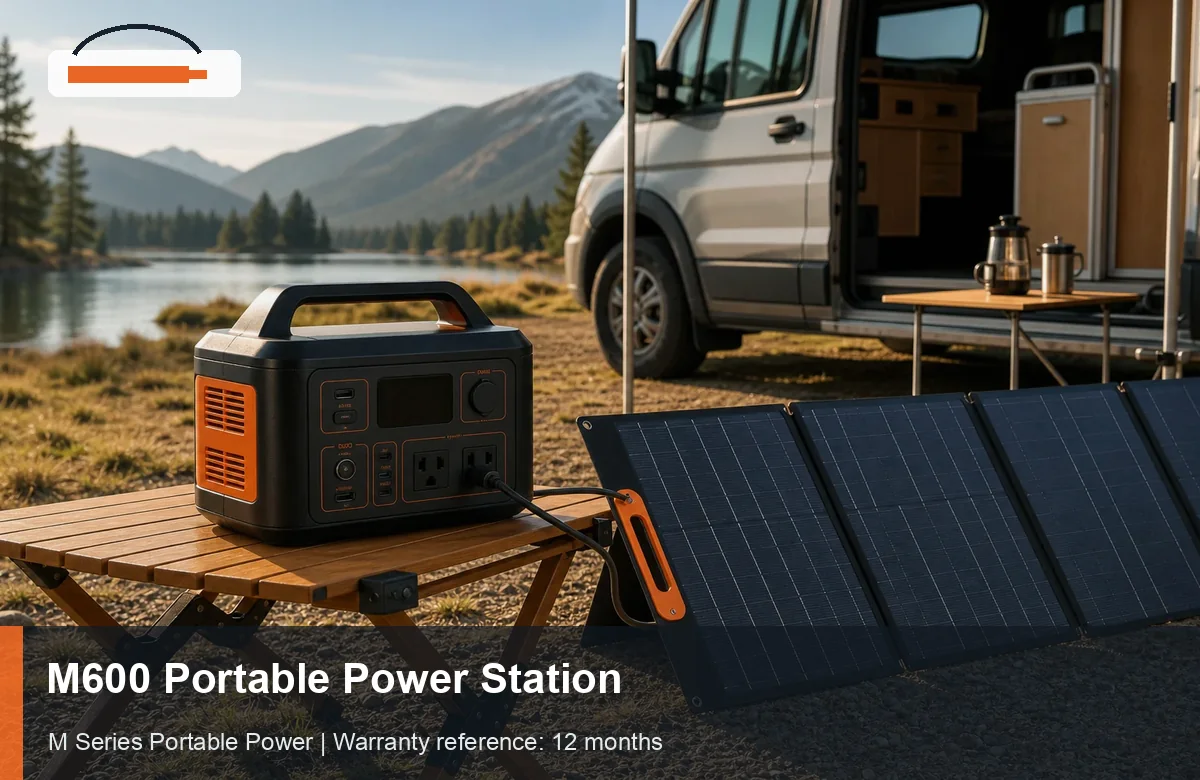
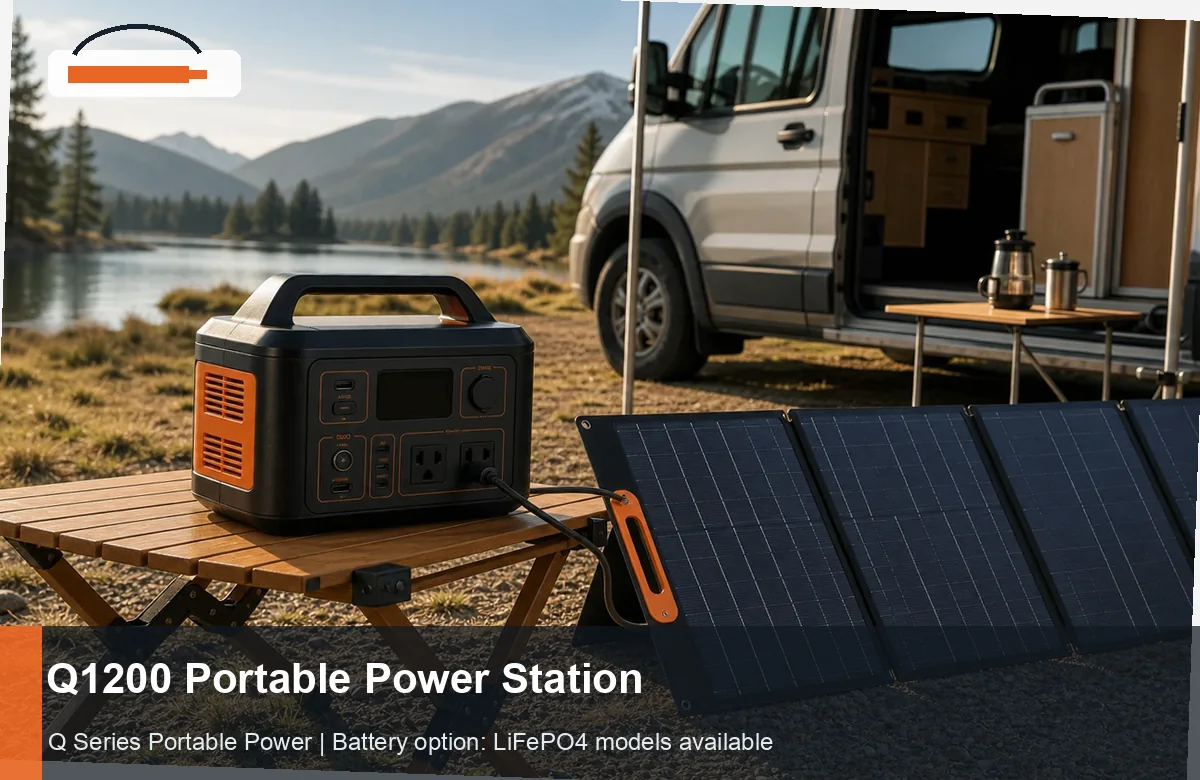
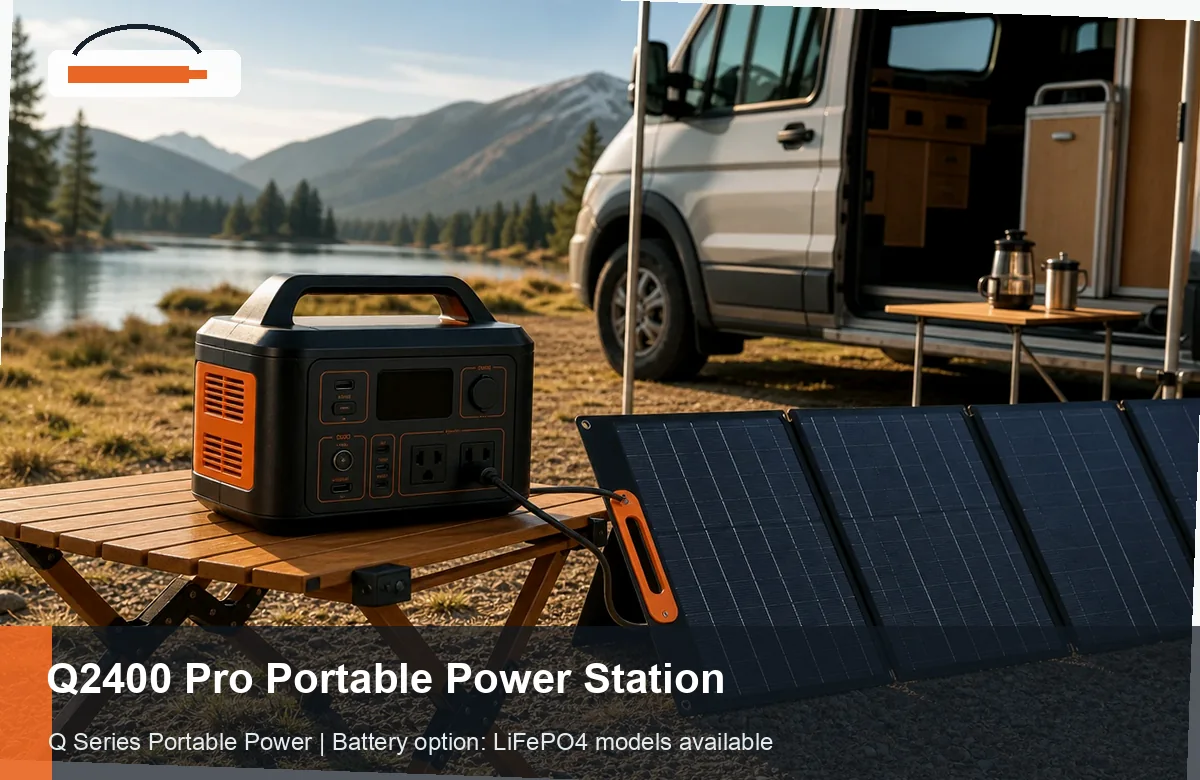
A first order does not need every model, but it should let the buyer test more than one price and use-case band. The current catalogue provides a concrete starting point: M300 and M600 for compact entry offers, Q1200 for a stronger core offer, and Q2400 Pro for a high-output flagship. These are sourcing, not promised retail claims. The buyer still needs to confirm the target appliances, local plug, transport documents, packaging limits, and the exact model specification with sales before publishing any runtime or compatibility statement.
When one hero model is a weak market test
A single SKU can simplify the first purchase, but it gives a distributor little evidence about whether the market prefers a lower entry price, a stronger AC output, or a solar-ready premium bundle. It is especially weak when the buyer serves more than one channel, such as marketplace retail plus RV dealers. Start with a compact, core, and flagship option when the budget permits. If the buyer must start with one model, document the exact target appliances, price band, carton constraint, and repeat-order trigger before the sample is approved.
OEM scope: what can change and what should stay standard
Private label normally starts with logo placement, carton artwork, manual language, and barcode or SKU label. Deeper OEM may include color, accessories, plug set, display language, or regional packaging format, but each step adds coordination time and may require a higher volume. For a first launch, the practical path is to keep the internal model standard, customize the visible retail layer, and validate demand with a sample run. Once sell-through is proven, the buyer can discuss deeper changes such as a different accessory kit or market-specific packaging.
- Low-risk private label: logo, manual cover, carton, barcode, outer label.
- Medium scope: regional plug, cable set, accessory bundle, retail inserts.
- Higher scope: color, interface language, firmware or display changes, subject to sales confirmation.
- Avoid changing too many variables before the first market test.
Sample-to-bulk timeline
A realistic sample process has four checkpoints. First, sales confirms the model ladder and OEM scope. Second, the buyer reviews sample units, runtime claims, plug fit, packaging, and manual language. Third, both sides lock the production artwork and any certificate documents needed for the destination. Fourth, the bulk order is quoted by quantity tier and delivery window. Buyers who skip packaging and certification review during sampling often lose time later when a marketplace, distributor, or customs broker asks for material that was not prepared.
- Sample request: model tier, plug, market, expected retail claim, and channel.
- Sample review: output, runtime, carton, manual, accessory kit, and label.
- Pre-production lock: artwork, barcode, document package, and packing plan.
- Bulk quote: quantity by SKU, destination port, delivery window, and repeat-order target.
Bundle foldable solar panels when the retail story needs off-grid use
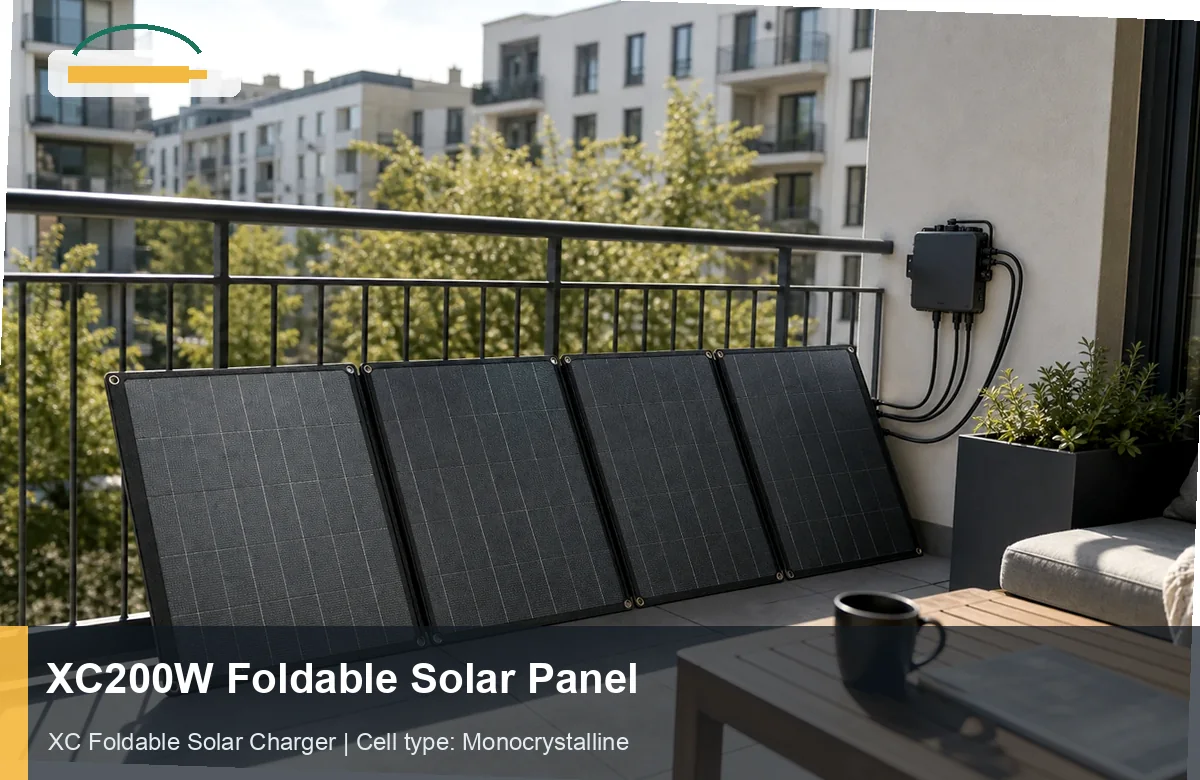
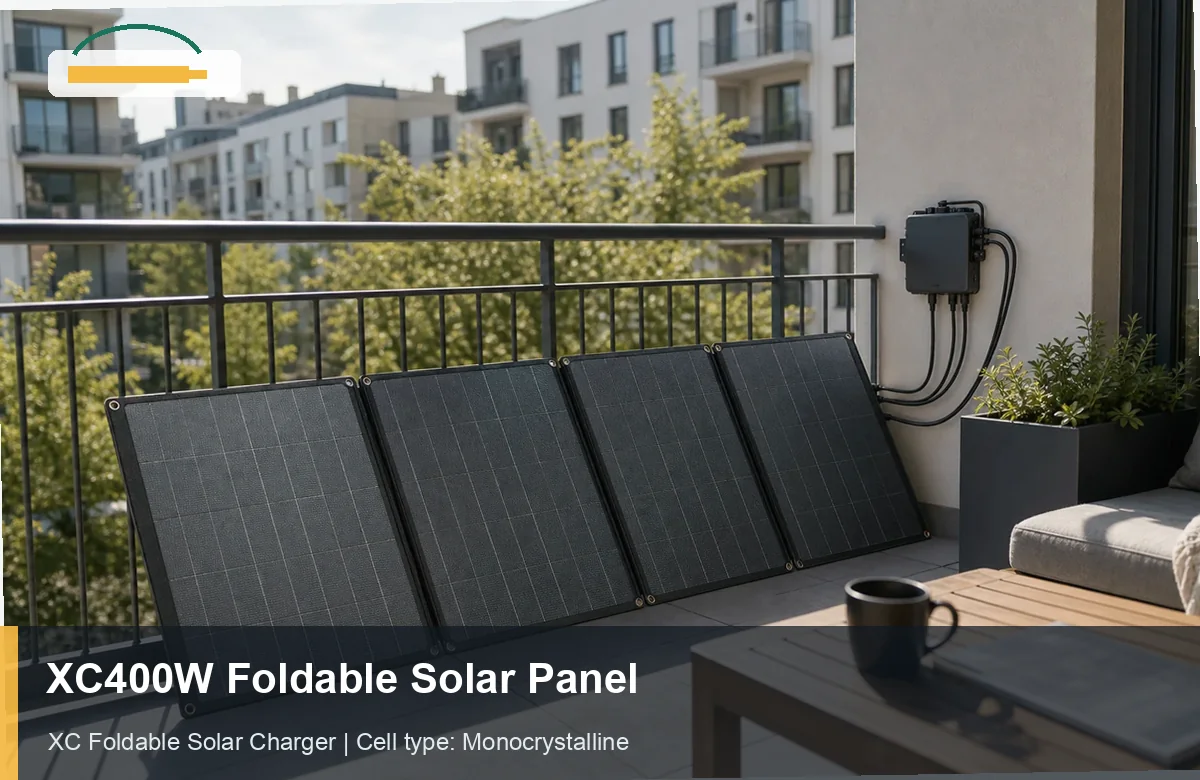
A portable power station sold alone is a backup battery. A portable power station sold with a foldable solar panel becomes an off-grid energy bundle. For outdoor and RV channels, that bundle is often easier to explain and easier to upsell. The panel does not need to match the full battery capacity; it needs to match the customer's use pattern and charging expectation. A 100W or 200W foldable panel can be enough for compact and mid-range units, while a 300W or 400W panel belongs with higher-output units and premium RV packages. Confirm connector compatibility and packaging format in the same RFQ as the power station.
What a quote-ready RFQ should include
A strong RFQ is short but complete. Include the target channel, three desired power or capacity tiers, destination country, plug standard, certification expectation, sample quantity, first bulk quantity, manual language, logo and packaging scope, and whether foldable solar panels should be quoted as a bundle. If the buyer has a retail launch date, include it. If marketplace carton size or gross weight limits matter, state them early. Sales can then respond with a shortlist, OEM feasibility, sample path, and quantity quote instead of returning a generic catalog.